Home made cleaning solutions are no longer just a trend—they are becoming a global household standard in 2026. With rising concerns about chemical exposure, environmental damage, and rising costs of commercial cleaners, more families across the UK, USA, Canada, and France are switching to natural, DIY cleaning solutions that are safer, affordable, and highly effective.
In this comprehensive guide, you’ll learn how to make powerful home made cleaning solutions, why they outperform many store-bought products, and how to use them safely in every room of your home.
Why Home Made Cleaning Solutions Matter in 2026
The cleaning industry has changed dramatically over the past few years. Consumers are more informed, health-conscious, and environmentally aware than ever before.
Key reasons people are choosing home made cleaning solutions:
- Increased awareness of toxic chemicals in commercial cleaners
- Growing demand for eco-friendly and sustainable products
- Rising costs of branded household cleaners
- Concerns about allergies, asthma, and skin sensitivity
- Desire for zero-waste and plastic-free living
In countries like France and Canada, regulations on chemical ingredients are becoming stricter, while in the UK and USA, consumers are driving change through conscious buying decisions.
Are Homemade Cleaners Really Effective?
Yes—when made correctly, home made cleaning solutions are highly effective for everyday household cleaning.
Scientific studies show that ingredients like vinegar, baking soda, lemon, and hydrogen peroxide have strong cleaning, deodorising, and antimicrobial properties.
However, it’s important to understand:
- Natural cleaners are ideal for routine cleaning
- They may not replace industrial-grade disinfectants in medical settings
- Correct usage and ingredient combinations matter
For daily home use, DIY cleaning products perform exceptionally well—often matching or exceeding commercial alternatives.
Essential Ingredients for Home Made Cleaning Solutions
Before creating your own cleaning recipes, it helps to understand the core natural ingredients used in DIY cleaners.
Must-Have Natural Cleaning Ingredients
| Ingredient | Purpose |
|---|---|
| White vinegar | Cuts grease, removes odours |
| Baking soda | Scrubbing, deodorising |
| Lemon juice | Natural disinfectant, fresh scent |
| Castile soap | Gentle surfactant |
| Hydrogen peroxide (3%) | Disinfecting |
| Essential oils | Antibacterial + fragrance |
| Warm water | Activates ingredients |
These ingredients are widely available across UK, US, Canadian, and French supermarkets.
Home Made Cleaning Solutions for Every Room
Home Made Kitchen Cleaning Solutions
The kitchen requires powerful but food-safe cleaners.
All-Purpose Kitchen Cleaner
Ingredients:
- 1 cup white vinegar
- 1 cup water
- 10 drops lemon essential oil
Use for:
- Countertops
- Appliances
- Splashbacks
Avoid vinegar on marble or granite surfaces.
Natural Oven & Grease Cleaner
- ½ cup baking soda
- Warm water (to form paste)
Apply, leave overnight, wipe clean. No harsh fumes, no toxic residue.
Home Made Bathroom Cleaning Solutions
Bathrooms are breeding grounds for bacteria, making natural disinfecting essential.
DIY Bathroom Spray
- 1 cup vinegar
- 1 cup water
- 10 drops tea tree oil
Kills odour-causing bacteria and mould.
Toilet Bowl Cleaner
- ½ cup baking soda
- ½ cup vinegar
Let fizz, scrub, flush.
Living Areas & Furniture Cleaning
Natural Dust & Surface Cleaner
- 2 cups water
- 1 tsp olive oil
- 10 drops lavender oil
Perfect for wood furniture and shelves.
Carpet Deodoriser
- Baking soda + essential oils
Sprinkle, leave 30 minutes, vacuum.
Home Made Floor Cleaning Solutions
Hardwood Floors
- 1 litre warm water
- ¼ cup vinegar
Tile & Vinyl Floors
- Warm water
- Castile soap
- Lemon essential oil
Safe for pets and children.
Natural Disinfecting & Germ Control
While DIY cleaners may not replace hospital-grade disinfectants, they are effective for household germ control.
Best Natural Disinfecting Ingredients
- Hydrogen peroxide
- Vinegar (not mixed with peroxide)
- Tea tree oil
- Thyme oil
Never mix vinegar and bleach—this creates toxic gas.
Safety Tips for Home Made Cleaning Solutions
Even natural ingredients require responsible use.
Safety Best Practices:
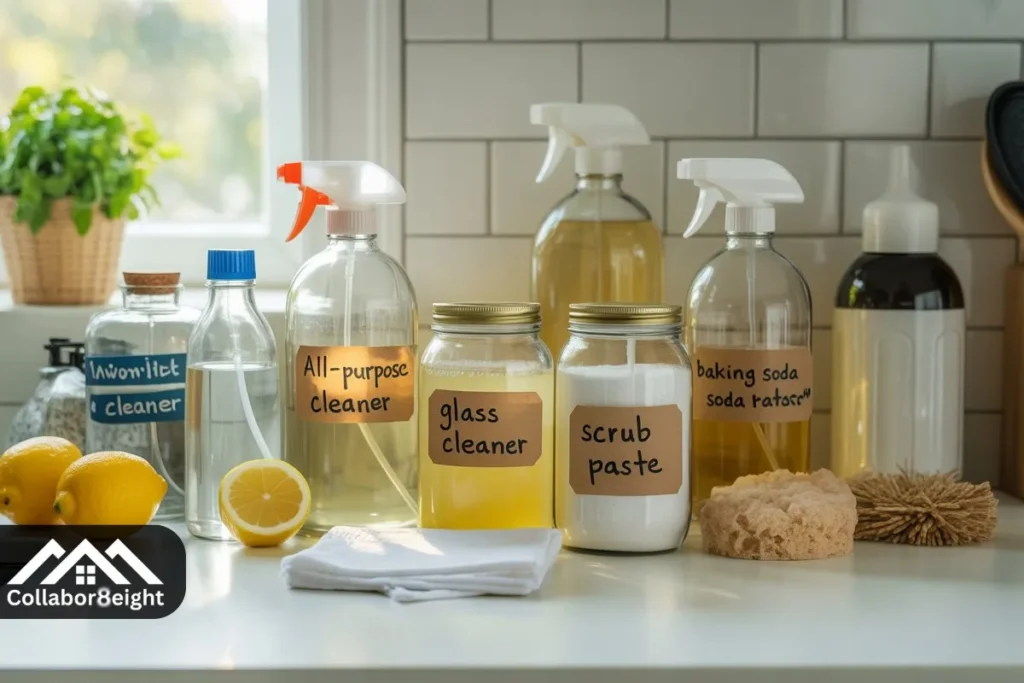
- Label all homemade cleaners
- Store away from children
- Avoid mixing incompatible ingredients
- Test on small surface areas first
Cost Comparison: DIY vs Store-Bought Cleaners
| Category | DIY Cleaning | Commercial Cleaning |
|---|---|---|
| Monthly cost | £3–£5 / $5–$8 | £20–£30 / $25–$40 |
| Plastic waste | Minimal | High |
| Chemical exposure | Low | Often high |
Home made cleaning solutions are up to 80% cheaper annually.
Sustainability & Environmental Impact
DIY cleaners help reduce:
- Plastic packaging waste
- Chemical runoff into waterways
- Carbon emissions from manufacturing
In 2026, sustainable living isn’t optional—it’s essential.
Common Mistakes to Avoid
- Overusing essential oils
- Mixing incompatible ingredients
- Expecting instant stain removal
- Using vinegar on stone surfaces
Education is key to success with homemade cleaning.
Final Thoughts
The Home made cleaning solutions in 2026 offer a powerful combination of safety, affordability, and sustainability. Whether you live in London, New York, Toronto, or Paris, DIY cleaning empowers you to control what enters your home—and the environment.
With the right recipes and habits, natural cleaning becomes effortless, effective, and deeply rewarding.
FAQs
What are the best home made cleaning solutions for everyday use?
All-purpose vinegar sprays, baking soda scrubs, and Castile soap cleaners are ideal for daily household cleaning.
Are homemade cleaners safe for children and pets?
Yes, when used correctly and stored safely, they are significantly safer than chemical cleaners.
Do home made cleaning solutions disinfect properly?
They reduce bacteria and germs effectively for household use but are not medical-grade disinfectants.
Can I use vinegar on all surfaces?
No. Avoid vinegar on marble, granite, and natural stone.
How long do DIY cleaning solutions last?
Most last 2–4 weeks. Store in cool, dark places for best results.