Engineered hardwood flooring continues to dominate the U.S. flooring market in 2026—and for good reason. Homeowners want the warmth of real wood with modern durability, moisture resistance, and easier installation. Engineered hardwood flooring delivers all of that while adapting to today’s design, sustainability, and performance expectations.
If you’re planning a home remodel, new build, or flooring upgrade, this in-depth guide explains everything you need to know about engineered hardwood flooring in 2026, including trends, costs, pros and cons, and expert buying tips tailored for U.S. homes.
1. What Is Engineered Hardwood Flooring?
Engineered hardwood flooring is a real wood floor made with multiple layers. The top layer is a genuine hardwood veneer, while the core consists of high-quality plywood or fiberboard layers arranged for stability.
Unlike solid hardwood, engineered hardwood flooring is designed to handle humidity changes, moisture, and temperature fluctuations, making it ideal for modern U.S. homes.
Key Components:
- Real hardwood surface layer
- Cross-layered plywood or HDF core
- Stabilizing bottom layer
2. Why Engineered Hardwood Flooring Is Popular in 2026
In 2026, homeowners prioritize durability, versatility, and sustainability. Engineered hardwood flooring meets all three needs.
Top Reasons for Its Popularity
- Performs well in humid U.S. climates
- Works in basements and concrete subfloors
- More affordable than solid hardwood
- Wider plank and modern finishes available
- Compatible with radiant heating systems
Engineered hardwood flooring has become the go-to choice for both new construction and renovations across the USA.
3. Engineered Hardwood Flooring Trends for 2026
Design preferences continue to evolve, and engineered hardwood flooring trends in 2026 reflect a blend of modern minimalism and natural textures.
Top Trends This Year
- Wide Plank Flooring: 7–10 inch planks dominate luxury interiors
- Natural & Matte Finishes: Low-gloss surfaces for a modern look
- Light Oak & Warm Neutrals: Scandinavian-inspired designs
- Wire-Brushed Textures: Adds depth and hides wear
- Sustainable Sourcing: FSC-certified and low-VOC products
These trends align perfectly with homeowners seeking timeless yet contemporary flooring solutions.
4. Engineered Hardwood vs Solid Hardwood
| Feature | Engineered Hardwood Flooring | Solid Hardwood Flooring |
|---|---|---|
| Moisture Resistance | High | Low |
| Installation Options | Glue, Float, Nail | Nail only |
| Suitable for Basements | Yes | No |
| Cost | Moderate | Higher |
| Refinishing | Limited | Multiple times |
For most U.S. households in 2026, engineered hardwood flooring offers greater flexibility and value.
5. Best Rooms for Engineered Hardwood Flooring
One major advantage of engineered hardwood flooring is versatility.
Ideal Areas
- Living rooms
- Bedrooms
- Kitchens (with care)
- Basements
- Condos and apartments
Thanks to improved moisture resistance, engineered hardwood flooring now performs well in spaces previously unsuitable for wood.
6. Installation Methods Explained
Engineered hardwood flooring supports multiple installation techniques:
Installation Options
- Floating: Fast, cost-effective, DIY-friendly
- Glue-Down: Ideal for concrete subfloors
- Nail-Down: Traditional method for plywood subfloors
Each method affects cost, durability, and sound control—choosing the right one matters.
7. Cost of Engineered Hardwood Flooring in the USA (2026)
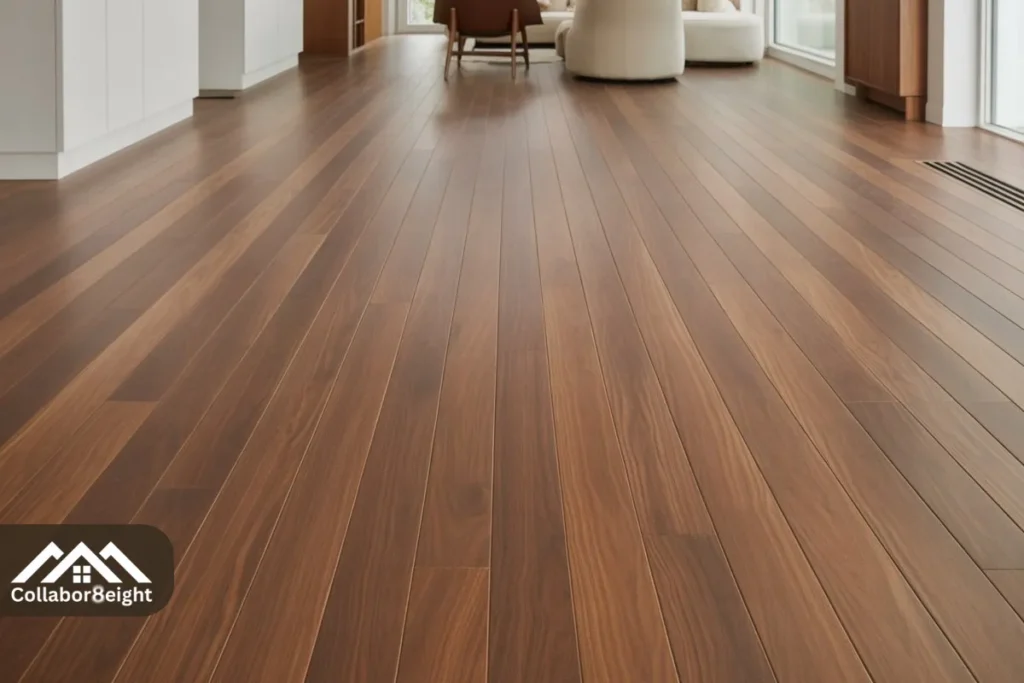
Average Costs
- Materials: $4 – $10 per sq. ft.
- Installation: $3 – $7 per sq. ft.
- Total Installed Cost: $7 – $17 per sq. ft.
Pricing depends on wood species, veneer thickness, plank width, and installation method.
8. Durability, Lifespan & Maintenance
High-quality engineered hardwood flooring lasts 25–40 years when properly maintained.
Maintenance Tips
- Use hardwood-safe cleaners
- Avoid standing water
- Add felt pads under furniture
- Control indoor humidity
While refinishing is limited, thicker veneer products can be lightly sanded once or twice.
9. Sustainability & Eco-Friendly Options
In 2026, sustainability plays a major role in flooring decisions.
Eco-Friendly Features
- FSC-certified hardwood
- Low-VOC adhesives and finishes
- Efficient use of wood resources
- Reduced waste compared to solid hardwood
Engineered hardwood flooring uses less raw hardwood, making it an environmentally responsible option.
10. How to Choose the Best Engineered Hardwood Flooring
Before purchasing, evaluate these factors:
Buying Checklist
- Veneer thickness (2mm–6mm ideal)
- Core quality (plywood preferred)
- Finish durability
- Warranty length
- Brand reputation
For a deeper look at product comparisons, species options, and top-rated brands, check out our detailed guide on Best Engineered Hardwood Floors for Your Home. That article breaks down popular engineered hardwood floors, their features, and what works best for different living spaces—making it easier to narrow your choices.
11. Is Engineered Hardwood Flooring Worth It in 2026?
Absolutely. For most U.S. homeowners, engineered hardwood flooring offers the perfect balance of beauty, durability, and value.
Best For
- Families with pets or kids
- Homes in humid regions
- Budget-conscious remodels
- Modern and transitional designs
Engineered hardwood flooring continues to outperform expectations as one of the smartest flooring investments in 2026.
Final Thought
The Engineered hardwood flooring in 2026 stands out as a smart, future-ready choice for U.S. homeowners—combining real wood beauty, modern durability, and sustainability without the limitations of traditional hardwood.
FAQs
1. Is engineered hardwood flooring real wood?
Yes. Engineered hardwood flooring has a genuine hardwood top layer, providing the look and feel of solid wood.
2. Can engineered hardwood flooring be refinished?
Some products can be lightly refinished, depending on veneer thickness.
3. Is engineered hardwood flooring waterproof?
It is moisture-resistant but not fully waterproof. Spills should be cleaned promptly.
4. Does engineered hardwood flooring increase home value?
Yes. It adds resale value and is attractive to modern buyers.
5. What is the best thickness for engineered hardwood flooring?
A total thickness of ½ to ¾ inch with at least a 3mm veneer is ideal.