A properly installed window seal is crucial for comfort, energy efficiency, and long-term protection of your home or vehicle. Whether you’re looking to replace old seals, prevent leaks, or simply improve insulation, understanding the different types, installation techniques, and maintenance tips is essential.
This guide covers everything you need to know about window seals in 2026, helping you make informed decisions and avoid costly repairs.
What Is a Window Seal?
A window seal is a protective barrier that prevents air, water, and dust from entering through gaps around a window. It plays a vital role in:
- Energy efficiency: Proper sealing keeps heating and cooling costs down.
- Weather protection: Stops rain, snow, and moisture from damaging your interior.
- Noise reduction: Minimizes outside noise.
- Structural integrity: Protects window frames from warping and decay.
Window seals are found in both homes and vehicles, but materials and installation methods differ slightly depending on the application.
Types of Window Seals
Window seals come in various materials and designs, each suited to different needs. Here are the most common types:
1. Rubber Seals
- Material: EPDM, neoprene, or silicone rubber.
- Use: Most common for homes and vehicles.
- Pros: Flexible, durable, weather-resistant.
- Cons: Can wear down over time, especially with UV exposure.
2. Foam Seals
- Material: Compressed polyurethane or polyethylene foam.
- Use: Often used for temporary sealing or draft prevention.
- Pros: Easy to install, inexpensive.
- Cons: Less durable; may compress or crumble over time.
3. Vinyl Seals
- Material: PVC or similar plastics.
- Use: Windows in homes, sometimes sliding doors.
- Pros: Affordable, water-resistant.
- Cons: Less flexible, can crack in extreme temperatures.
4. Silicone Sealant (Caulking)
- Material: Silicone or acrylic caulk.
- Use: Filling small gaps around window frames.
- Pros: Creates airtight, watertight seal.
- Cons: Permanent; requires careful application.
5. Automotive Window Seals
- Material: Rubber, EPDM, or silicone blends.
- Use: Car windows, windshields, sunroofs.
- Pros: Designed to withstand vibration, temperature changes, and weather.
- Cons: Replacement can be tricky and may require professional help.
How to Know If Your Window Seal Needs Replacement
Signs that your window seal is failing include:
- Drafts or cold spots around the window.
- Moisture or condensation between glass panes.
- Water leaks during rain or snow.
- Visible cracks, gaps, or warping of the seal.
- Difficulty opening or closing the window.
For vehicles, common indicators are rattling windows, water leaks, or foggy windshields.
How to Install a Window Seal
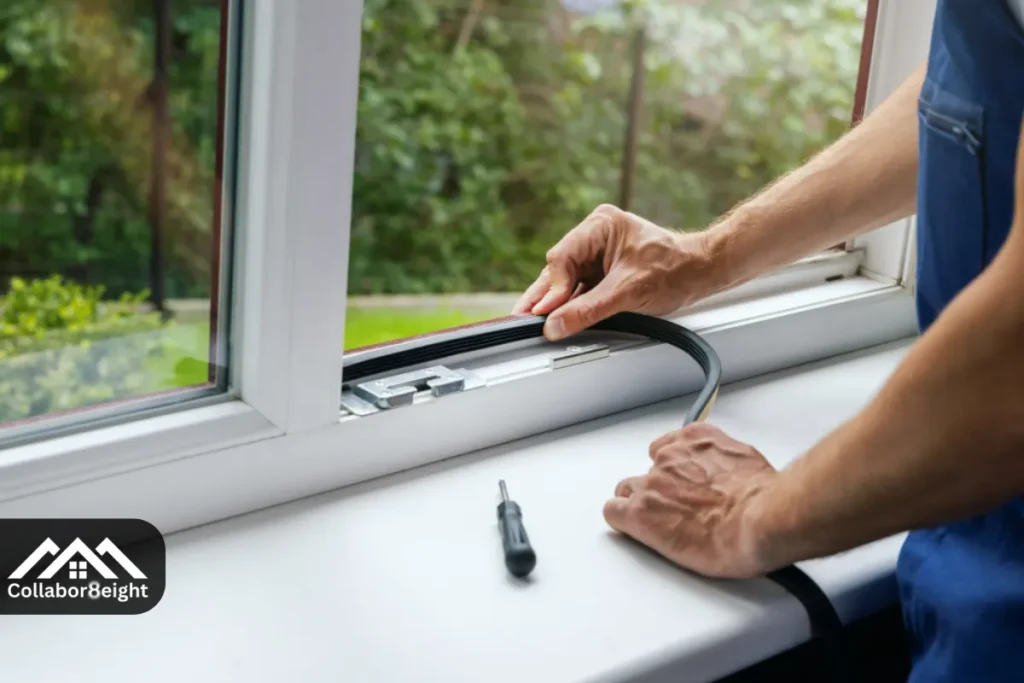
Installing or replacing a window seal can often be done yourself if you follow the proper steps. Here’s a general guide:
Materials You’ll Need
- Replacement window seal (rubber, foam, or vinyl)
- Cleaning solution and cloth
- Screwdriver or putty knife
- Adhesive or sealant (if required)
Step-by-Step Installation
- Remove the old seal: Carefully pry away the old seal without damaging the frame.
- Clean the area: Remove dirt, dust, and old adhesive.
- Measure and cut: Ensure the new seal fits perfectly; trim if necessary.
- Apply adhesive or insert: Depending on the seal type, either press into place or apply adhesive for a permanent fix.
- Test the window: Open and close to ensure smooth operation and full contact.
For cars, the process is similar but often requires removing interior panels or trim. Professional installation is recommended for high-end vehicles or complicated seals.
Tips for Maintaining Window Seals
Proper maintenance can extend the life of your window seals. Consider the following tips:
- Clean regularly: Dirt and grime can degrade rubber and vinyl over time.
- Lubricate rubber seals: Use silicone spray to prevent cracking.
- Check for gaps: Inspect seals at least twice a year, especially before winter.
- Repair minor damage: Small cracks or gaps can be sealed with caulk or weather stripping.
- Avoid harsh chemicals: Solvents and abrasive cleaners can damage the material.
Common Mistakes to Avoid
- Using the wrong type of seal for your window or vehicle.
- Skipping surface cleaning before installation.
- Overstretching or compressing the seal, reducing its effectiveness.
- Ignoring condensation between glass panes, which can indicate broken seals.
- Failing to replace worn-out seals promptly, leading to bigger damage.
Cost of Window Seal Replacement
The cost depends on material, size, and whether you hire a professional. Here’s a rough estimate for 2026 in the USA:
| Type | DIY Cost | Professional Installation |
|---|---|---|
| Rubber or Vinyl | $5–$20 per window | $50–$150 per window |
| Foam | $2–$10 per window | $30–$70 per window |
| Silicone Caulk | $5–$15 per tube | $50–$100 per window |
| Automotive Rubber Seals | $20–$100 | $100–$300 per window |
DIY installation saves money, but professional help ensures proper sealing and long-term durability.
Benefits of Upgrading Your Window Seals
- Energy savings: Reduces heating and cooling costs.
- Comfort: Eliminates drafts and cold spots.
- Protection: Prevents water damage and mold growth.
- Noise reduction: Blocks outside noise effectively.
- Longer lifespan for windows: Reduces stress on frames and glass.
When to Call a Professional
Some situations require professional intervention:
- Automotive windows, especially windshields or sunroofs.
- Multi-pane or custom-shaped windows.
- Extensive water damage or mold around the window frame.
- Persistent drafts despite DIY fixes.
Final Thought
A window seal may seem minor, but it plays a critical role in comfort, energy efficiency, and protection of your home or vehicle. Understanding the types of seals, how to maintain them, and when to replace them ensures you avoid costly damage while improving long-term performance.
By inspecting your seals regularly, addressing small issues promptly, and choosing the right materials, you can enjoy a more comfortable, energy-efficient, and quiet living space or ride.
FAQs
1. What is a window seal?
A window seal is a protective barrier around a window that prevents air, water, dust, and noise from entering. It also helps with energy efficiency and protects the window frame.
2. How do I know if my window seal is failing?
Common signs include drafts, water leaks, condensation between glass panes, visible cracks or gaps, and difficulty opening or closing the window.
3. What types of window seals are available?
Common types include rubber, foam, vinyl, and silicone (caulking). Vehicles typically use specialized rubber or silicone seals designed for vibration and temperature changes.
4. Can I replace a window seal myself?
Yes, DIY replacement is possible for most home windows using basic tools. Automotive or multi-pane windows may require professional installation.
5. How long do window seals last?
Depending on the material and exposure, rubber seals usually last 5–10 years, while silicone and vinyl can last longer with proper care.
6. How can I maintain my window seals?
Clean regularly, lubricate rubber seals with silicone spray, inspect for gaps, repair minor damage promptly, and avoid harsh chemicals.
7. Why is my window foggy between panes?
Fogging indicates a broken or failing seal in double-pane windows, allowing moisture to get trapped between the glass layers.
8. Do window seals improve energy efficiency?
Yes. Properly sealed windows reduce drafts, lower heating and cooling costs, and keep your home more comfortable year-round.
9. What is the cost of replacing a window seal?
DIY seals can cost $2–$20 per window depending on material, while professional installation ranges from $30 to $300 per window.
10. When should I call a professional for window seals?
Call a professional for automotive windows, multi-pane or custom-shaped windows, extensive water damage, or persistent drafts despite DIY fixes.