A dresser for bedroom spaces is one of those furniture pieces you don’t think about much, until you don’t have the right one. Suddenly, folded clothes are piled on a chair, your socks live in a grocery bag, and your bedroom feels like a storage unit rather than a sanctuary.
The right dresser for bedroom use does more than hold your wardrobe. It anchors the room, reflects your personal style, and brings genuine order to your daily routine. Whether you’re furnishing your first apartment, upgrading a master bedroom, or trying to squeeze storage into a small space, choosing the right dresser is more nuanced than it looks.
This guide walks you through everything, from dresser types and dimensions to materials, styles, and smart buying tips, so you can make a confident, lasting choice.
What Is a Dresser for Bedroom Use & Why Does It Matter?
A dresser is a wide, low-to-mid-height piece of bedroom furniture designed with multiple drawers for storing folded clothing, accessories, and personal items. It typically comes with a flat top surface, perfect for a mirror, lamp, or a few decorative accents.
Beyond storage, a dresser:
- Defines the visual weight and style of your bedroom
- Reduces clutter on surfaces like nightstands and floors
- Doubles as a functional surface for everyday essentials
- Can replace or supplement a closet in smaller homes and apartments
In short, it’s a workhorse piece that deserves serious thought.
Types of Dresser for Bedroom Spaces
Not all dressers are the same. Understanding the different types of dresser for bedroom layouts helps you match the right piece to your space and storage needs.
1. Standard Dresser (Horizontal Dresser)
This is the classic. Wide, low-profile, and featuring six to nine drawers arranged in two or three columns, a standard dresser is ideal for:
- Master bedrooms with generous floor space
- Couples who want to share one piece of furniture
- Rooms where wall height is limited
The flat, roomy top surface is perfect for a mirror, perfume tray, or wall art display.
2. Tall Dresser (Vertical Dresser or Chest of Drawers)
A tall dresser trades width for height, usually five to seven narrow drawers stacked in a single column. This makes it a smart pick for:
- Small bedrooms and studio apartments
- Rooms where floor space is precious
- Kids’ rooms where vertical storage works well
It takes up less floor space but can hold just as much as a wider option.
3. Double Dresser
Wider and taller than a standard dresser, the double dresser offers maximum drawer count, sometimes up to twelve drawers across three columns. It’s ideal for:
- Large master bedrooms
- Households with a lot of clothing to store
- Anyone who prefers all storage centralized in one spot
These pieces make a strong visual statement and pair naturally with a full-length or frameless mirror above.
4. Bachelor’s Chest
Compact and narrow, a bachelor’s chest typically has four to five drawers in a single column. It’s a solid choice for:
- Guest rooms with minimal storage needs
- Apartment bedrooms with limited square footage
- Adding a secondary storage piece to a room that already has a larger dresser
5. Combo Dresser (Dresser with Mirror)
Many dressers are sold with a matching mirror, transforming the set into a vanity-style unit. This works especially well in:
- Primary bedrooms used as a getting-ready space
- Rooms without a dedicated vanity or dressing area
- Traditional and transitional interior styles where matched furniture sets are preferred
Dresser Dimensions: How to Size It Right
Before you fall in love with a piece online, make sure it actually fits your room. Here’s a practical sizing guide to work from.
Standard Dresser Dimensions
| Type | Width | Height | Depth |
|---|---|---|---|
| Horizontal/Standard | 60–72 inches | 30–36 inches | 18–20 inches |
| Tall/Vertical | 30–36 inches | 48–60 inches | 16–20 inches |
| Double Dresser | 66–72 inches | 36–44 inches | 18–22 inches |
| Bachelor’s Chest | 28–36 inches | 42–56 inches | 16–20 inches |
Tips for Measuring Your Space
- Leave 36 inches of clearance in front of the dresser so drawers can open comfortably
- Check ceiling height before buying a tall dresser, it should feel proportional, not cramped
- Account for the mirror if you plan to hang one above; leave 6–12 inches of wall space between the dresser top and mirror base
- Measure the doorway before delivery, large dressers sometimes require disassembly to fit through standard door frames
Dresser Materials: What to Look For
The material of a dresser affects its durability, look, and price point. Here’s a breakdown of what you’ll commonly find in U.S. furniture stores.
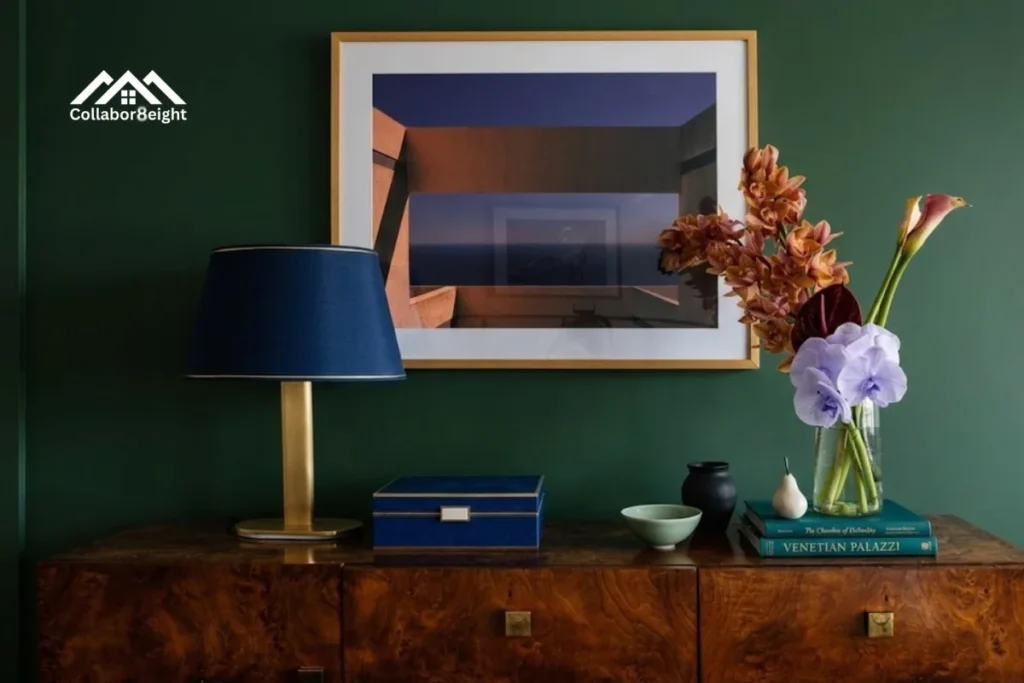
Solid Wood
Solid hardwoods like oak, maple, walnut, and cherry are the gold standard for bedroom dressers. They’re:
- Long-lasting (often 20–50+ years with proper care)
- Repairable, scratches and dents can often be sanded and refinished
- Heavier than engineered wood options
- Higher in cost, but worth it for quality-focused buyers
Solid wood is especially popular in farmhouse, mid-century modern, and traditional bedroom styles.
Engineered Wood (MDF/Particleboard with Veneer)
Most mass-market dressers from big-box retailers use engineered wood with a wood veneer or laminate finish. These are:
- More affordable than solid wood
- Consistent in appearance (no natural grain variation)
- Lighter and easier to move
- Less durable over time, particularly around drawer joints and edges
Engineered wood dressers work well for renters, guest rooms, kids’ rooms, or anyone on a tighter budget.
Plywood Construction
Plywood sits between solid wood and particleboard in both quality and price. It resists warping and moisture better than MDF, making it a reliable choice for:
- Drawer bottoms and backs
- Furniture in humid climates or basement bedrooms
Many quality mid-range dressers use a plywood carcass with a solid wood face.
Metal and Industrial Materials
Metal dressers typically steel or iron frames with wood or wicker drawer inserts work well in:
- Industrial and urban loft-style interiors
- Kids’ and teen rooms that need rugged, no-fuss storage
- Spaces that lean into eclectic or modern-industrial design
Bedroom Dresser Styles: Matching Your Interior
A dresser should feel like it belongs in the room, not like it wandered in from a different house. Here’s how to match style to your existing décor.
Mid-Century Modern
Look for: Clean lines, tapered legs, walnut or teak finishes, minimal hardware
Pairs well with: Low-profile beds, warm neutrals, plants, and retro-inspired lighting
Farmhouse / Rustic
Look for: Distressed wood finishes, shaker-style drawer fronts, black iron pulls
Pairs well with: Linen bedding, woven baskets, barn door closets, and white or cream walls
Traditional / Classic
Look for: Ornate hardware, rich cherry or mahogany stains, carved detailing, mirror sets
Pairs well with: Four-poster beds, layered rugs, and jewel-tone accents
Modern / Minimalist
Look for: Flat-front drawers, handleless design, matte finishes, light gray or white tones
Pairs well with: Platform beds, monochromatic palettes, and built-in lighting
Bohemian / Eclectic
Look for: Painted finishes, mixed materials (cane, rattan, wood), vintage or mismatched pulls
Pairs well with: Layered textiles, plants, global-inspired art, and colorful accents
Dresser for Bedroom Storage Tips: Getting the Most Out of Every Drawer
A good dresser is only as useful as how you organize it. These practical tips help maximize your storage from day one.
- Use drawer dividers to separate socks, underwear, and accessories without creating a jumbled mess
- Roll clothes instead of folding flat: the KonMari method significantly increases drawer capacity
- Assign drawers by category, not by person (if you’re sharing) one drawer per clothing type makes getting dressed faster
- Line the top drawer with a soft liner to protect delicate items like silk or cashmere
- Use the dresser top intentionally: a tray for perfumes, a small jewelry dish, and one framed photo is all you need
Budget Guide: What to Expect at Every Price Point
Dresser prices vary wildly. Here’s a realistic breakdown of what you get at each level.
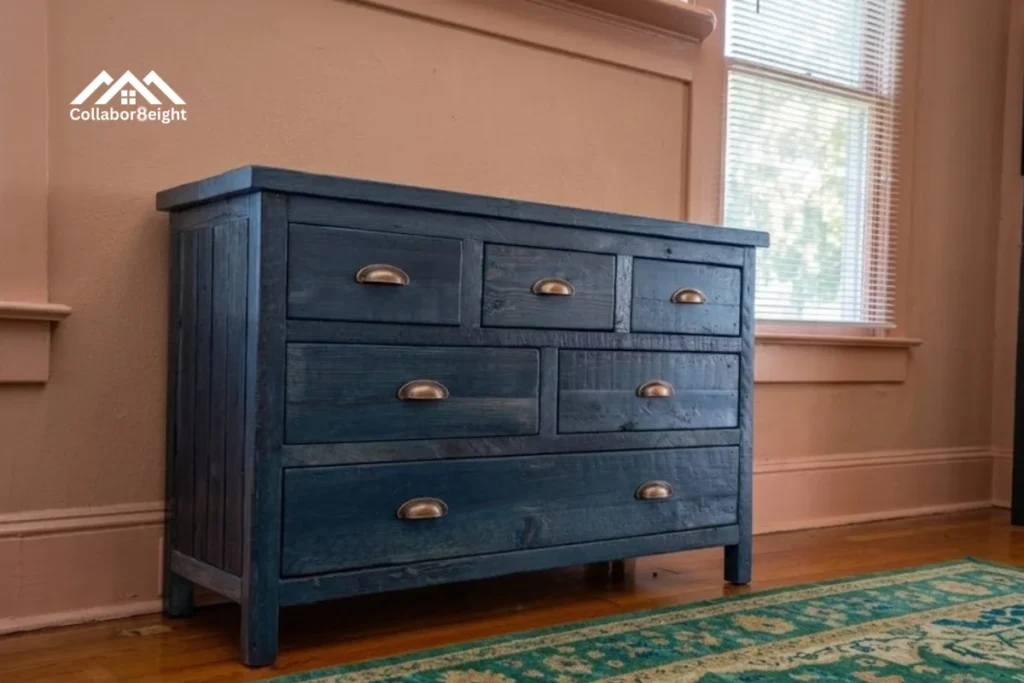
Under $200
Expect particleboard construction with a laminate finish. Functional for a guest room or short-term use, but drawers may feel flimsy and the piece likely won’t last more than a few years with heavy daily use.
$200–$500
This range is where you’ll find the sweet spot for most buyers. Dressers here often use a mix of engineered wood and real wood faces, offer smoother drawer glides, and come in a wider variety of styles. Brands like IKEA (HEMNES, MALM), Walker Edison, and Prepac perform well here.
$500–$1,000
Expect better joinery, real wood veneers or solid wood panels, soft-close dovetail drawers, and more thoughtful design. This is where furniture starts feeling like an investment rather than a purchase.
$1,000 and Above
Solid hardwood construction, hand-crafted details, heirloom-quality joinery, and premium hardware define this tier. Brands like Crate & Barrel, West Elm, Pottery Barn, and artisan furniture makers occupy this space. A dresser at this price point can last decades.
Common Mistakes to Avoid When Buying a Bedroom Dresser
Even experienced furniture shoppers make these missteps. Keep them in mind before you buy.
- Buying without measuring first: Always measure your wall, your doorway, and the walking path to the dresser before purchasing
- Ignoring drawer quality: Open and close every drawer in the showroom. Drawers should glide smoothly and close flush without wobbling
- Choosing style over function: A beautiful dresser that doesn’t fit your storage needs will frustrate you daily
- Overlooking drawer depth: Shallow drawers are fine for socks and underwear but terrible for bulky sweaters or jeans
- Forgetting about wall anchoring: Tall dressers should always be secured to the wall with an anti-tip strap, especially in homes with children or pets
Best Dresser for Bedroom Types: Room-by-Room Guide
For a Master Bedroom
Go for a double dresser or standard horizontal dresser in a solid wood or high-quality veneer finish. Prioritize smooth drawer glides and ample depth. A matching mirror elevates the look.
For a Small Bedroom or Apartment
A tall chest of drawers or a bachelor’s chest maximizes vertical space. Light-colored finishes (white, light oak, ash) make the room feel less crowded.
For a Kid’s Room
Look for durability over aesthetics solid wood or quality plywood construction, rounded corners, anti-tip anchoring hardware, and easy-to-grab drawer pulls. Low-VOC finishes are a bonus for young children.
For a Guest Room
A mid-range, modestly sized dresser in a neutral finish works well. It should offer enough storage for a guest’s week-long stay without dominating a room that serves multiple purposes.
Final Thought: The Dresser for Bedroom Spaces That Works for You
There’s no single “best” dresser for every bedroom but there is a best dresser for your bedroom. It’s the one that fits your space, suits your style, handles your storage needs, and holds up over time.
Start with your room dimensions. Then think about how much clothing you actually need to store. Factor in your interior style and set a budget that reflects how long you expect to use the piece. From there, the right choice becomes much clearer.
A great dresser isn’t just furniture it’s a quiet organizer that makes your mornings smoother and your bedroom feel more like home. Take your time choosing it, and it’ll pay you back for years.
What size dresser do I need for my bedroom?
For most standard bedrooms (10×10 to 12×12 feet), a dresser between 48 and 60 inches wide works well. For smaller rooms, a tall chest under 36 inches wide is a smarter use of floor space.
How many drawers should a good bedroom dresser have?
It depends on your wardrobe. A solo adult typically manages well with 6 to 8 drawers. Couples sharing a dresser may want 10 or more, or two separate pieces.
Is solid wood worth it for a dresser?
If you plan to keep the piece for 10+ years, yes. Solid wood dressers are repairable, more durable, and often more attractive as they age. For short-term use or rentals, mid-range engineered wood options are perfectly practical.
What’s the difference between a dresser and a chest of drawers?
A dresser is typically wider than it is tall and often paired with a mirror. A chest of drawers (or tall dresser) is narrower and taller, with drawers stacked vertically. Both serve the same purpose — it’s mostly a matter of space and preference.
Should I anchor my dresser to the wall?
Yes, especially if you have children, pets, or live in an earthquake-prone region. Most dressers come with anti-tip hardware. Use it — it’s a simple safety step that can prevent serious accidents.
Where is the best place to put a dresser in a bedroom?
The most common placement is along the longest clear wall, opposite or adjacent to the bed. Avoid placing it where drawer clearance is blocked by a door swing or foot traffic. In small rooms, corner placement of a tall dresser saves floor space.