
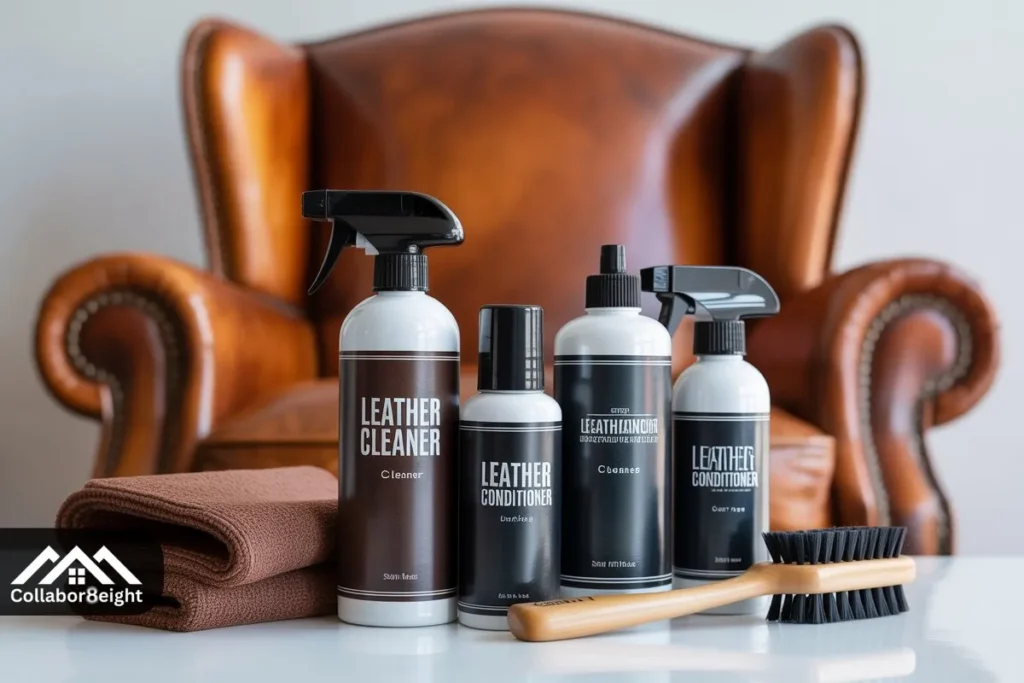
Leather furniture adds elegance, comfort, and long-term value to American homes. From full-grain leather sofas to bonded leather recliners, leather remains a premium choice in 2026. However, maintaining it properly requires one critical thing: using the right cleaners for leather furniture.
Many homeowners unknowingly damage leather with harsh chemicals, excess water, or household cleaners not designed for natural hides. This comprehensive guide explains what leather furniture cleaners actually work, how to choose the safest products, and how to clean leather the right way—without cracking, fading, or drying it out.
Whether you’re maintaining a luxury sectional or refreshing a well-loved armchair, this guide delivers practical, expert-backed advice.
Why Leather Furniture Needs Specialized Cleaners
Leather is not just upholstery—it’s a natural, porous material treated with oils, dyes, and protective finishes. Standard cleaners strip these essential elements, leading to:
- Premature cracking
- Color fading
- Stiff or dry texture
- Permanent stains
High-quality cleaners for leather furniture are formulated to:
- Clean without over-wetting
- Preserve natural oils
- Maintain breathability
- Extend leather lifespan
This is especially important in the U.S., where climate conditions vary widely—from dry Arizona heat to humid Florida air.
Understanding Different Types of Leather Furniture
Before choosing a cleaner, it’s essential to identify your leather type.
1. Full-Grain Leather
- Highest quality
- Extremely durable
- Develops a natural patina
- Requires gentle, pH-balanced cleaners
2. Top-Grain Leather
- Slightly sanded for uniform appearance
- Most common in American households
- Compatible with most commercial leather cleaners
3. Corrected or Pigmented Leather
- Has protective coating
- More stain-resistant
- Easier to clean but still needs leather-specific products
4. Bonded Leather
- Made from leather scraps and polyurethane
- More sensitive to harsh chemicals
- Requires mild, water-based leather cleaners
Using the wrong cleaner—even once—can permanently damage these surfaces.
What Makes a Good Cleaner for Leather Furniture?
When evaluating leather furniture cleaners in 2026, experts recommend looking for the following features:
Key Ingredients to Look For
- pH-balanced (around 5–7)
- Natural surfactants
- Conditioning agents (lanolin, glycerin)
- Non-toxic, low-VOC formulas
Ingredients to Avoid
- Ammonia
- Bleach
- Alcohol
- Silicone
- Petroleum distillates
The best cleaners for leather furniture clean and condition simultaneously, preventing dryness while removing dirt and oils.
Best Types of Cleaners for Leather Furniture
1. Ready-to-Use Leather Cleaner Sprays
Ideal for routine maintenance and spot cleaning.
Best for:
- Weekly or biweekly cleaning
- Homes with pets or kids
2. Leather Cleaning Wipes
Convenient but should be used sparingly.
Best for:
- Quick touch-ups
- Travel or office leather furniture
3. Foam Leather Cleaners
Foam reduces moisture absorption.
Best for:
- Delicate or older leather
- Preventing water marks
4. Leather Cleaner & Conditioner Combos
Two-in-one products save time.
Best for:
- Busy households
- Preventive care
How to Clean Leather Furniture Properly (Step-by-Step)
Using even the best cleaner incorrectly can harm leather. Follow this expert-approved process:
Step 1: Vacuum Gently
Use a soft brush attachment to remove dust from seams and crevices.
Step 2: Spot Test
Always test cleaners for leather furniture on a hidden area.
Step 3: Apply Cleaner
- Use a microfiber cloth
- Never spray directly on leather
- Work in small sections
Step 4: Wipe & Lift Dirt
Use circular motions without scrubbing.
Step 5: Dry Naturally
Allow air drying—no heat or hairdryers.
Step 6: Condition (Optional but Recommended)
Conditioning restores moisture and flexibility.
Natural vs Commercial Leather Furniture Cleaners
Natural DIY Cleaners (Use with Caution)
Pros
- Affordable
- Fewer chemicals
Cons
- Inconsistent results
- Risk of over-drying
Popular DIY options include:
- Diluted castile soap
- White vinegar + water (very diluted)
⚠️ Never use olive oil or coconut oil—they darken and degrade leather.
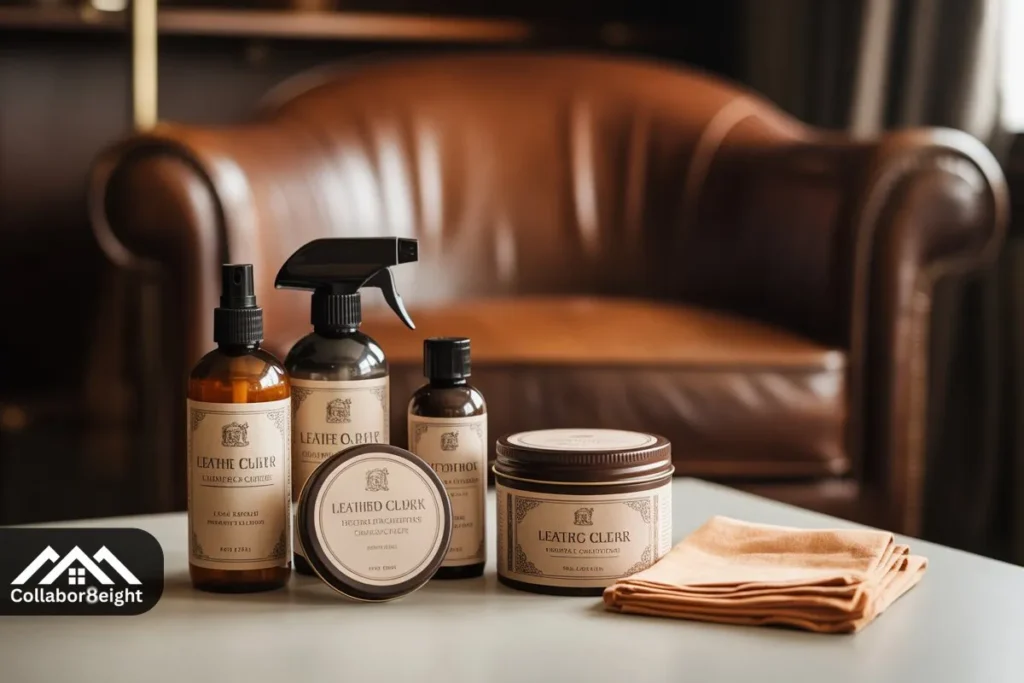
Commercial Cleaners (Recommended)
Professionally formulated cleaners for leather furniture are safer, more consistent, and designed to meet modern leather finishes used in 2026.
How Often Should You Clean Leather Furniture?
Cleaning frequency depends on use:
| Usage Level | Cleaning Frequency |
|---|---|
| Light use | Every 3–4 months |
| Regular family use | Monthly |
| Pets or kids | Every 2–4 weeks |
Conditioning should be done 2–4 times per year to maintain softness.
Common Leather Cleaning Mistakes to Avoid
Many homeowners unintentionally damage furniture by:
- Using baby wipes
- Applying too much water
- Scrubbing aggressively
- Skipping conditioning
- Using multi-surface cleaners
Even “gentle” household products are not safe cleaners for leather furniture.
Professional Leather Cleaning vs DIY
DIY Cleaning
Best for:
- Routine maintenance
- Minor spills
Professional Cleaning
Best for:
- Deep stains
- Color restoration
- Luxury furniture
Professional services in the U.S. typically cost $200–$500, depending on size and condition.
Leather Furniture Care Tips for Long-Term Protection
To maximize lifespan:
- Keep furniture away from direct sunlight
- Maintain indoor humidity (40–55%)
- Rotate cushions monthly
- Clean spills immediately
Pairing these habits with the right cleaners for leather furniture can extend furniture life by 10–15 years.
Choosing the Best Cleaner for Leather Furniture in 2026
When shopping, prioritize:
- Compatibility with your leather type
- U.S. safety standards
- Clear ingredient labeling
- Positive consumer reviews
- Brand reputation
Eco-friendly and pet-safe formulations are increasingly popular in 2026.
Are Leather Furniture Cleaners Safe for Homes with Pets and Kids?
Most modern leather furniture cleaners are:
- Non-toxic
- Residue-free
- Low-odor
Still, always:
- Store cleaners out of reach
- Let furniture fully dry before use
Final Thoughts
Leather furniture is an investment—and proper care protects that investment. Using the right cleaners for leather furniture prevents premature wear, keeps surfaces soft, and maintains the luxurious look leather is known for.
In 2026, homeowners have more safe, effective, and eco-friendly options than ever. Choose wisely, clean gently, and your leather furniture will reward you for years to come.
FAQs
1. What is the safest cleaner for leather furniture?
The safest cleaners for leather furniture are pH-balanced, leather-specific products free from alcohol, ammonia, and bleach.
2. Can I use vinegar to clean leather furniture?
Vinegar can be used only in very diluted form, but commercial leather cleaners are safer and more effective.
3. How often should leather furniture be cleaned?
Most leather furniture should be cleaned monthly and conditioned 2–4 times per year.
4. Do leather cleaners also condition the leather?
Some do. Look for cleaner-conditioner combos or apply a separate leather conditioner afterward.
5. Can leather furniture cleaners remove stains?
Yes, but effectiveness depends on the stain type and how quickly it’s treated. Old or ink stains may require professional cleaning.