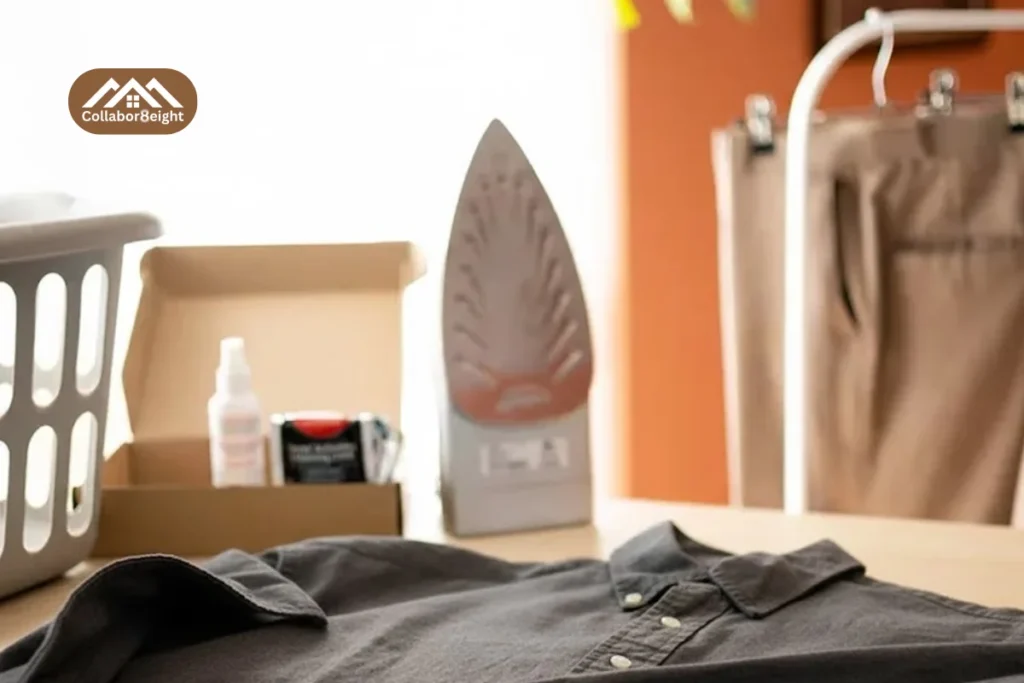
Keeping your wardrobe fresh and pristine doesn’t have to mean trips to the dry cleaner. With busy schedules and city life, it can be hard to find time for professional dry cleaning.
Home dry cleaning can help you save time, money, and stress. Whether you’re a working parent or a career-driven professional, these tips help you keep clothes sharp at home.
Why Consider Dry Cleaning at Home?
For many, dry cleaning seems complicated or risky. But home-based methods are becoming increasingly popular for good reasons:
- Convenience: No more waiting in line or making multiple errands for laundry.
- Cost-effective: Home methods can save hundreds of dollars a year.
- Eco-friendly: Avoid harsh chemicals and reduce carbon footprint from transportation.
- Time-saving: Perfect for busy professionals or parents juggling schedules.
Urban residents often face limited access to high-quality dry cleaners, making home methods not just convenient but essential.
Understanding Fabric Care
Before attempting dry cleaning at home, it’s critical to understand your fabrics. Different textiles require different methods:
- Silk and satin: Gentle, low-heat methods or specialized home dry-cleaning kits.
- Wool: Avoid water when possible; use steam or home kits designed for wool.
- Cotton blends: Often easier to treat at home but check care labels.
- Delicate synthetics: Use gentle detergent solutions or steam carefully.
Always check the garment’s care label. Symbols like a circle with a “P” or “F” indicate professional dry cleaning, but home-friendly alternatives are available.
Home Dry Cleaning Methods
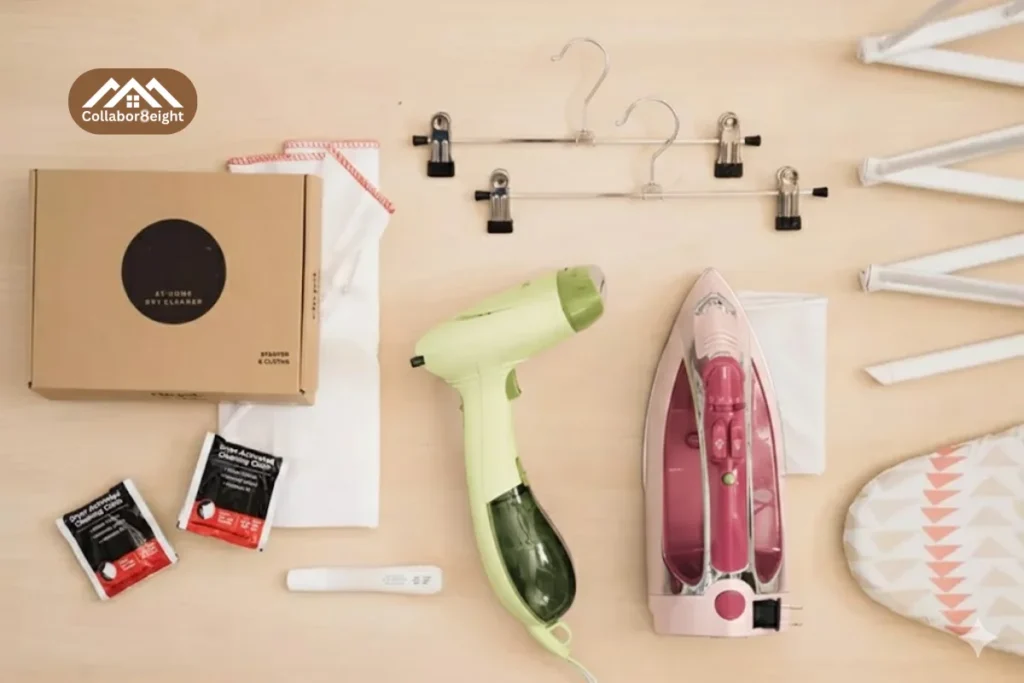
Here’s a breakdown of practical approaches to dry cleaning at home:
1. Home Dry-Cleaning Kits
These kits are widely available at stores like Target or Amazon and usually include:
- A reusable cloth bag
- Special cleaning cloths soaked in a gentle solvent
- Instructions for use in a standard dryer
How to use:
- Place your garment inside the provided bag.
- Add the cleaning cloth.
- Run in the dryer for 20–30 minutes.
- Hang immediately to avoid wrinkles.
Pros: Quick and effective for light stains and refreshment.
Cons: May not work for heavy stains or all fabrics.
2. Spot Cleaning
Spot cleaning targets specific stains without washing the entire garment:
- Ink stains: Dab lightly with rubbing alcohol.
- Grease stains: Sprinkle cornstarch or baking soda, wait 15 minutes, brush off gently.
- Food spills: Use mild detergent and cold water.
Always test a small, hidden area first.
3. Steaming and Pressing
Steaming is ideal for wrinkles, odors, and light refreshment:
- Use a handheld steamer or the steam function on your iron.
- Hang garments on a sturdy hanger.
- Keep a safe distance to avoid water spots.
Tip: For wool suits or silk blouses, steaming preserves texture better than washing.
4. DIY Solvent Alternatives
For the more adventurous:
- Mix 1 part vinegar with 3 parts water for light stain removal.
- Use rubbing alcohol on delicate fabrics for small spot treatments.
- Baking soda or cornstarch works for odor absorption.
These methods are eco-friendly and reduce exposure to harsh chemicals.
Preventing Damage While Dry Cleaning at Home
- Always read the care label first.
- Test any solution on a hidden area before full application.
- Avoid over-soaking garments; excess water can ruin fabrics.
- Hang items immediately to maintain shape.
- Rotate between air-drying and gentle heat methods to prevent shrinkage.
Time-Saving Tips for Busy Professionals
- Organize laundry by fabric type to avoid mistakes.
- Invest in a quality steamer for fast, safe wrinkle removal.
- Use multi-garment kits to handle multiple items in one dryer cycle.
- Schedule weekly garment refreshes to prevent stains from setting.
Eco-Friendly Considerations
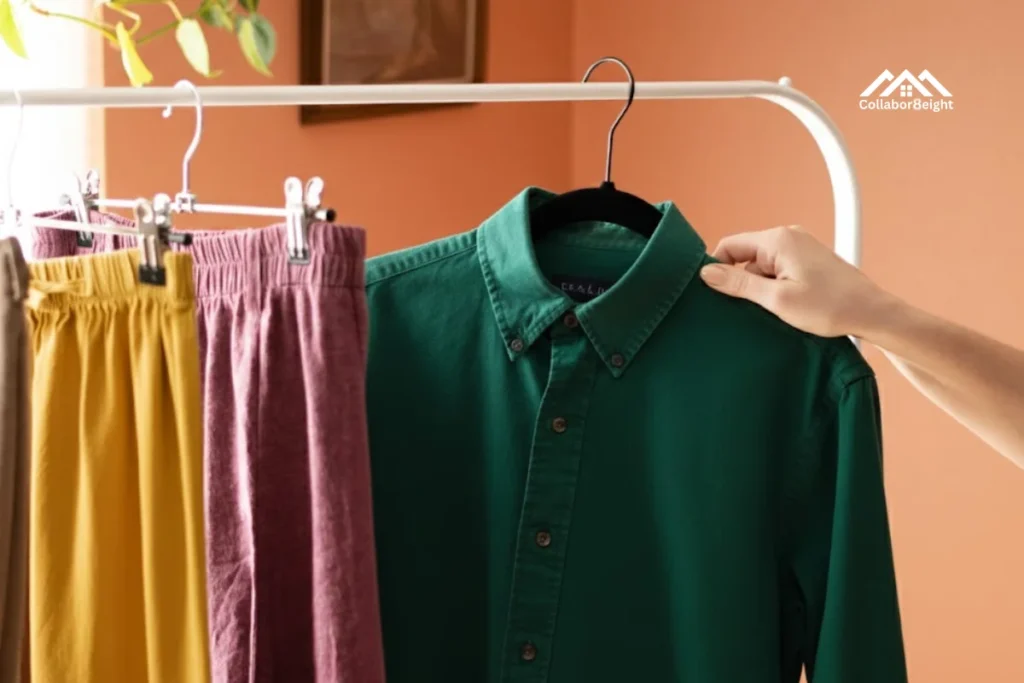
Modern dry cleaning at home methods can also be environmentally conscious:
- Avoid chemical-heavy solvents.
- Reuse cleaning cloths and bags when possible.
- Opt for natural stain removers like vinegar, baking soda, or lemon juice.
- Reduce trips to dry cleaners, lowering transportation emissions.
Real-Life Example
Sarah, a marketing manager in New York, struggled with frequent trips to dry cleaners. After switching to home dry-cleaning kits and spot cleaning, she saved over $500 each year. She also cut laundry time from 3 hours to 45 minutes per week. Her wardrobe remains pristine, and she no longer stresses about last-minute stains before meetings.
Final Thought
Mastering dry cleaning at home is a practical, cost-effective, and eco-friendly solution for busy professionals and parents. With the right tools, knowledge, and a little practice, you can keep your wardrobe fresh, clean, and ready for any occasion without leaving home. Home dry cleaning doesn’t must be intimidating small steps can make a significant difference.
How can I do dry cleaning at home?
You can dry clean at home using store-bought home dry-cleaning kits, spot cleaning, or steaming. Always check garment labels and follow instructions carefully to avoid damage.
How to make homemade dry cleaner?
A simple homemade solution can be made using 1 part white vinegar and 3 parts water for light stains, or use rubbing alcohol for delicate fabrics. Always test on a small hidden area first.
Can I dry clean myself at home?
Yes, many garments can be refreshed and lightly cleaned at home with kits, steaming, or spot treatments. Heavily soiled or delicate items may still require professional dry cleaning.
How to start dry cleaning at home?
Begin by gathering a home dry-cleaning kit, learning your fabric types, and organizing garments by care label. Start with small, lightly soiled items before moving to more delicate pieces.
What is a natural alternative to dry cleaning?
Natural alternatives include using vinegar, baking soda, lemon juice, or cornstarch for spot cleaning and odor removal. Steam cleaning is also effective for refreshing fabrics without harsh chemicals.