If you are finishing a basement, buying a home, or planning a remodel in 2026, you must understand egress window rules. An basement escape window is more than a building code checkbox. A life safety feature provides an emergency escape and allows firefighters to enter if needed.
Homeowners often assume any basement window will qualify. That is rarely true. Size, placement, opening method, and even the window well all matter.
This guide breaks it all down clearly. It shows what you need, what you’ll pay, and how installation works in the US.
Whether you are a DIY homeowner or you work with a contractor, this article can help. Helping you make a confident decision, it will.
Table of Contents
What Is an Egress Window and Why It Matters
An egress window is a code-compliant window designed to provide a safe exit from a sleeping space or basement. Building codes require window safety standards in:
- Finished basements
- Basement bedrooms
- Any habitable space below ground level
The purpose is simple: safety. In a fire or emergency, occupants need a fast and unobstructed way out.
Beyond safety, Basement Escape Window also add:
- Legal compliance for bedrooms
- Higher home resale value
- More natural light and ventilation
Homes without proper basement escape window may fail inspections or face issues during resale.
Window well Requirements in the USA (2026)
Most US states follow the International Residential Code (IRC), with minor local amendments. Always check your local building department, but the following standards apply in most areas.
Minimum Egress Window Size Requirements
To meet window well requirements, the window must meet all the following:
- Minimum net clear opening: 5.7 square feet
- Ground-floor openings: 5.0 square feet allowed
- Minimum opening height: 24 inches
- Minimum opening width: 20 inches
These measurements apply to the open space when the window is fully opened, not the glass size.
Maximum Sill Height
- The bottom of the opening must be no more than 44 inches above the floor
If the sill is higher, a permanent step or built-in ladder is required.
Window Well Requirements for Basement Egress Windows
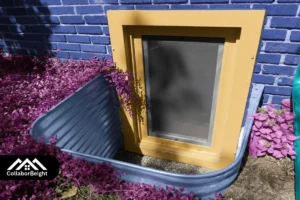
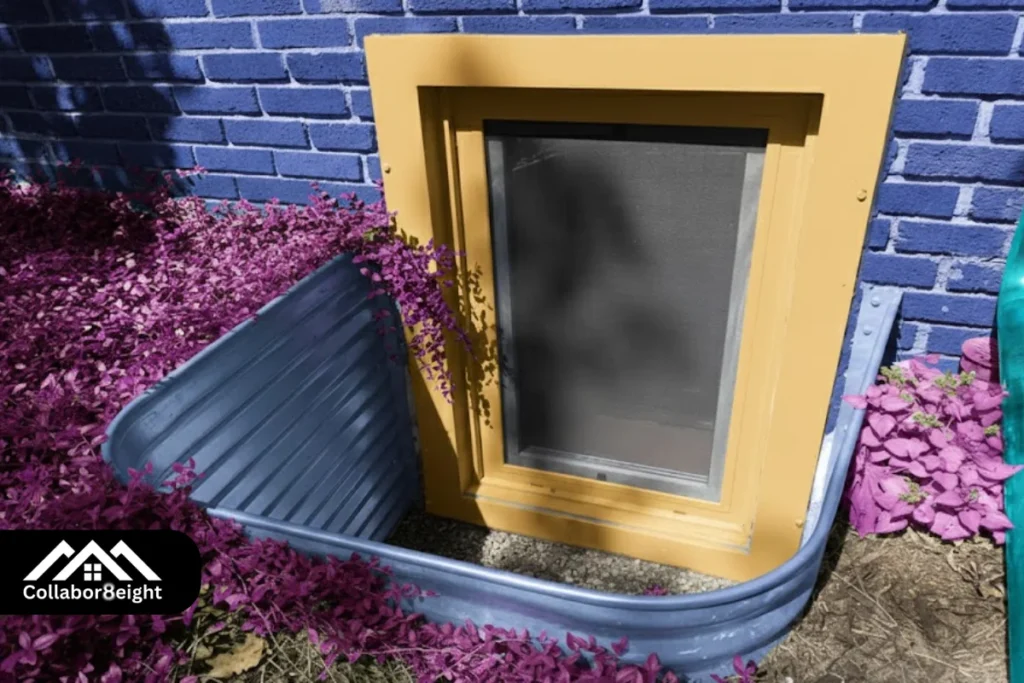
If the egress window sits below ground level, the design requires a window well.
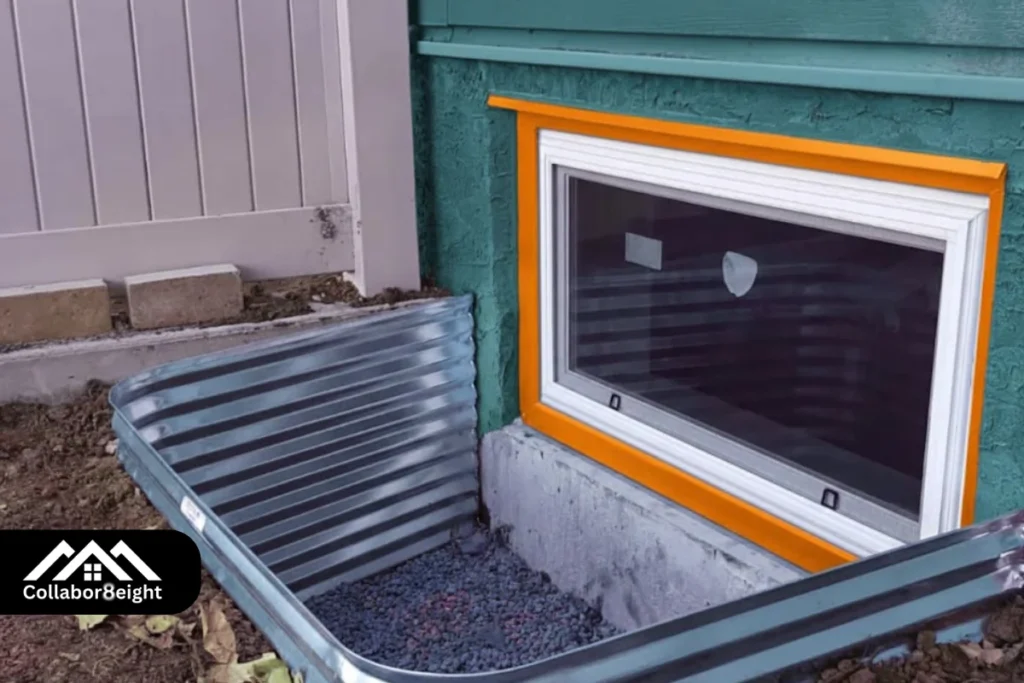
Window well rules include:
- Minimum area: 9 square feet
- Minimum projection: 36 inches from the window
- Permanent ladder required if the well is deeper than 44 inches
The ladder must not obstruct the opening.
Common Types of Egress Windows
Not all window styles qualify. Here are the most commonly approved options.
Casement window safety standards
Casement windows are one of the most popular choices.
Pros:
- Easy to meet size requirements
- Open fully outward
- Great for smaller wall openings
Cons:
- Crank mechanisms require maintenance
- Sliding Egress Windows
- Horizontal sliders can work, but size matters.
Pros:
- Simple operation
- Affordable option
Cons:
- Only half the window opens, requiring larger overall size
Double-Hung Windows
These are rarely ideal for basements.
Why they struggle:
- Only half the window opens
- Often fail to meet net clear opening requirements
Egress Window Installation: What to Expect
Basement Escape Window Installation is a structural project, especially in basements. It involves more than just swapping a window.
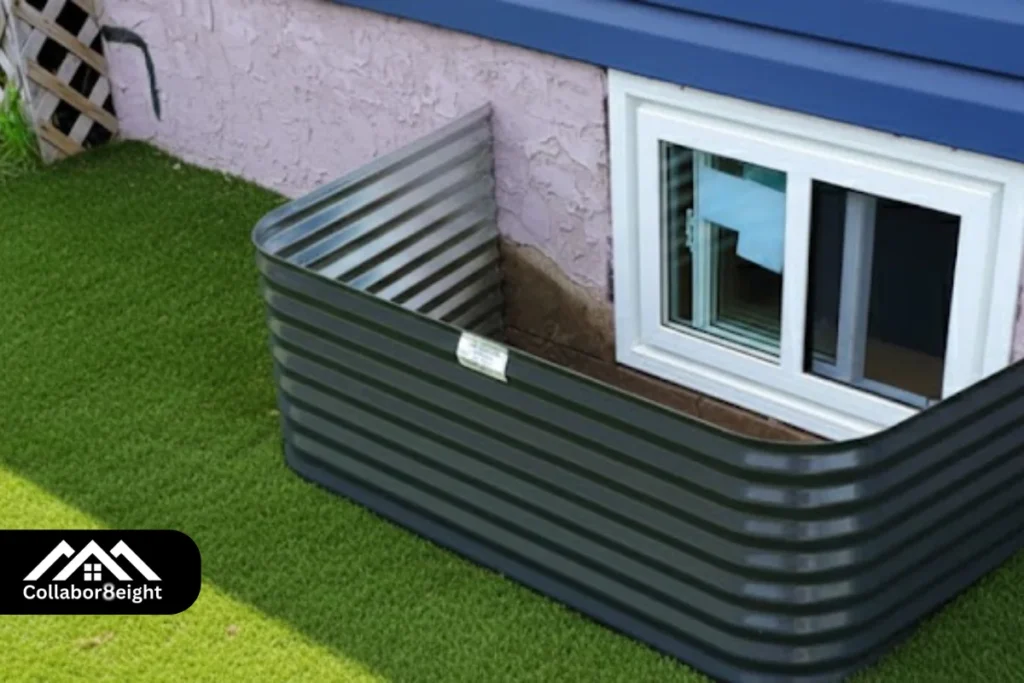
Installation Process Overview
- Permits and code review
- Wall cutting (concrete or block foundation)
- Installing a window well
- Setting the window and sealing
- Drainage and moisture protection
- Final inspection
This is not typically a cosmetic upgrade. Structural integrity and waterproofing are critical.
DIY vs Professional Installation
DIY installation may be possible if:
- You have masonry experience
- You understand drainage and waterproofing
- Local code allows homeowner-permitted work
Most homeowners choose professionals because of safety and liability risks.
How Much Do Egress Windows Cost in 2026?
Costs vary based on foundation type, labor rates, and window size.
Average Cost Breakdown
- Egress window unit: $300 to $900
- Window well: $200 to $600
- Cutting concrete foundation: $1,500 to $3,500
- Total installed cost: $2,500 to $6,500 per window
Homes with thick concrete walls or poor soil drainage may cost more.
Factors That Increase Cost
- Deeper window wells
- Rocky soil conditions
- Drainage system upgrades
- Permit and inspection fees
Egress Window Covers: Are They Required?
You do not always need egress window covers, but experts often recommend them.
Benefits of Window Well Covers
- Prevent water pooling
- Keep debris and animals out
- Improve basement insulation
- Reduce maintenance
Code Rules for Covers
If installed, covers must:
- Be easily removable from inside
- Not require tools or keys
- Not block the required opening area
Flat, clear polycarbonate covers are a popular compliant option.
Real-Life Example: Basement Bedroom Upgrade
A homeowner in Ohio converted an unfinished basement into a legal bedroom. The existing window was too small to qualify.
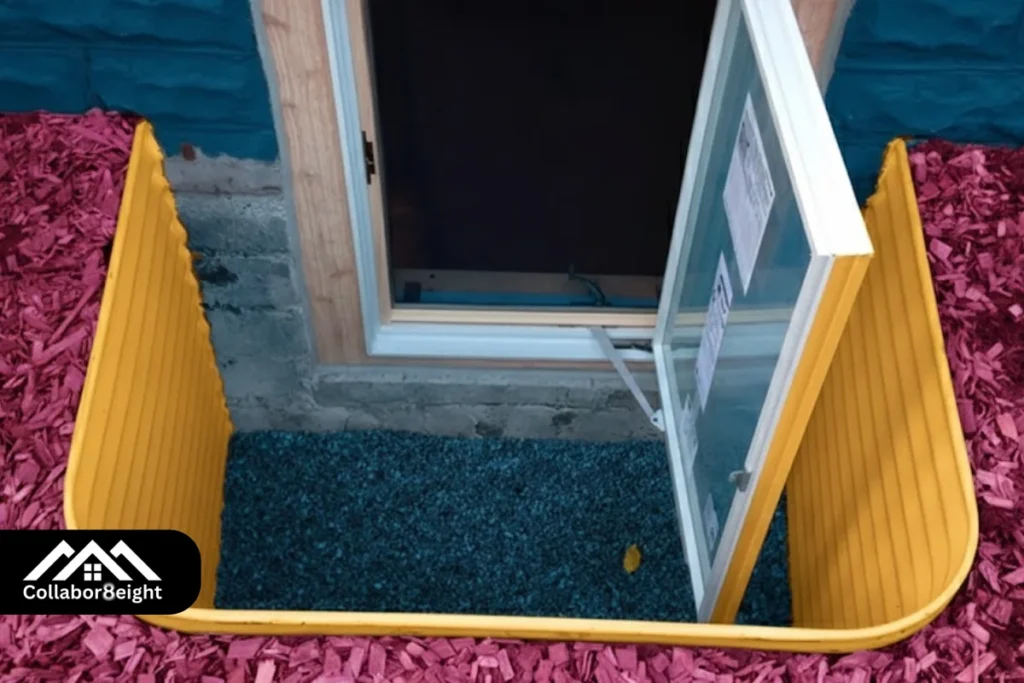
What was done:
- Cut foundation wall for a casement egress window
- Installed a 48-inch window well with ladder
- Added a clear, removable window well cover
Result:
- Passed inspection
- Added a legal bedroom
- Increased home value by an estimated $18,000
This is a common scenario where proper egress windows provide both safety and return on investment.
Egress Windows and Home Resale Value
For buyers, window safety standards signal:
- Code compliance
- Safe sleeping spaces
- Properly finished basements
For sellers, missing egress windows can:
- Delay closings
- Reduce appraised value
- Limit bedroom count in listings
Real estate investors often prioritize window safety standards installation because of its strong ROI.
Common window safety standards Mistakes to Avoid
- Assuming old basement windows are compliant
- Ignoring window well drainage
- Installing fixed or non-opening windows
- Blocking egress with bars or heavy covers
- Skipping permits
These mistakes often lead to failed inspections or expensive corrections later.
Final Thought: Get Egress Windows Right the First Time
An egress window is not just another remodeling detail. A safety requirement, a legal necessity, and a smart investment. Understanding current window well requirements, proper sizing, and installation steps helps you avoid costly errors and inspection issues.
When installed correctly, basement escape window bring light, safety, and real value to your home. Whether you plan to DIY or hire a contractor, take the time to follow code, plan drainage properly, and choose the right window type. Done right, it is an upgrade you will never regret.
What is an egress window?
An egress window is a window that meets building code requirements for emergency exits. It provides a safe way to escape from a basement or bedroom in case of fire or other emergencies.
What makes a window an egress window?
A window qualifies as an egress window if it meets minimum size, height, and opening rules. For basements, it often needs a window well with proper clearance and access.
What is the difference between ingress and egress windows?
Ingress refers to windows designed primarily for entering a space, while egress windows are specifically for safe exits. Some windows can serve both purposes if they meet size and code requirements.
What is the difference between egress and casement windows?
A casement window is a type of window that opens outward with a crank. Code requirements define an egress window for emergency exit. A casement window can be an egress window if it meets those requirements.