A mud kitchen is no longer just a backyard trend. In 2026, it has become one of the most valuable outdoor play tools for children across the USA. Parents are actively choosing natural, screen-free activities that encourage creativity, learning, and movement. This is where the mud kitchen truly shines.
Whether you are a parent, educator, or childcare provider, this guide explains everything you need to know. You will learn what it is, why it matters, how to choose the right one, safety best practices, design ideas, costs, and future trends.
What Is a Mud Kitchen?
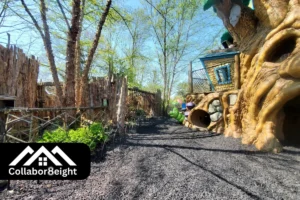
A mud kitchen is an outdoor play setup where children use natural materials like soil, water, sand, leaves, and stones to create imaginary meals. It usually includes a child-height counter, bowls, utensils, shelves, and sometimes a water source.
Unlike indoor toy kitchens, this type of outdoor play encourages messy exploration, problem solving, and creativity. Kids are free to mix, pour, stir, and experiment without worrying about spills.
In 2026, these play kitchens are commonly found in:
- Home backyards
- Preschools and daycare centers
- Nature-based learning schools
- Community play areas
Why Mud Kitchens Are So Popular in 2026
Parents today are more intentional about how their children play. The rise of the mud kitchen reflects this shift.
Screen-Free Entertainment That Works
Children stay engaged longer when play is hands-on and open-ended. Outdoor play kitchens naturally reduce screen time without forcing limits.
Strong Focus on Sensory Development
Touching wet soil, dry sand, leaves, and stones supports sensory processing and early brain development.
Alignment With Modern Learning Methods
Montessori, Reggio Emilia, and forest school approaches emphasize child-led play. This setup fits perfectly with those principles.
Eco-Friendly Parenting Choices
Many families prefer wooden and recycled materials over plastic toys. It supports sustainability while teaching kids respect for nature.
Key Benefits for Child Development
This type of messy play supports growth in multiple areas.
Encourages Creativity and Imagination
Children invent recipes, create stories, and explore roles like chef, baker, or scientist.
Builds Motor Skills
Scooping, pouring, lifting, and stirring improve both fine and gross motor control.
Improves Social Interaction
When kids play together, they practice sharing, communication, and cooperation naturally.
Introduces Early Learning Concepts
Measuring, comparing textures, and observing changes introduce basic math and science ideas.
Boosts Confidence
There is no right or wrong outcome. Kids gain confidence by making their own choices.
Mud Kitchen vs Outdoor Toy Kitchen
Many parents compare these two options before buying.
| Feature | Mud Kitchen | Outdoor Toy Kitchen |
|---|---|---|
| Materials Used | Natural elements | Plastic accessories |
| Learning Style | Open-ended play | Structured role play |
| Mess Level | Encouraged | Limited |
| Durability | Long-lasting | Often wears faster |
| Engagement | High over time | Can decrease |
If your child enjoys nature and creative play, the mud-based option offers longer-lasting value.
Popular Mud Kitchen Styles in 2026
Wooden Garden Style
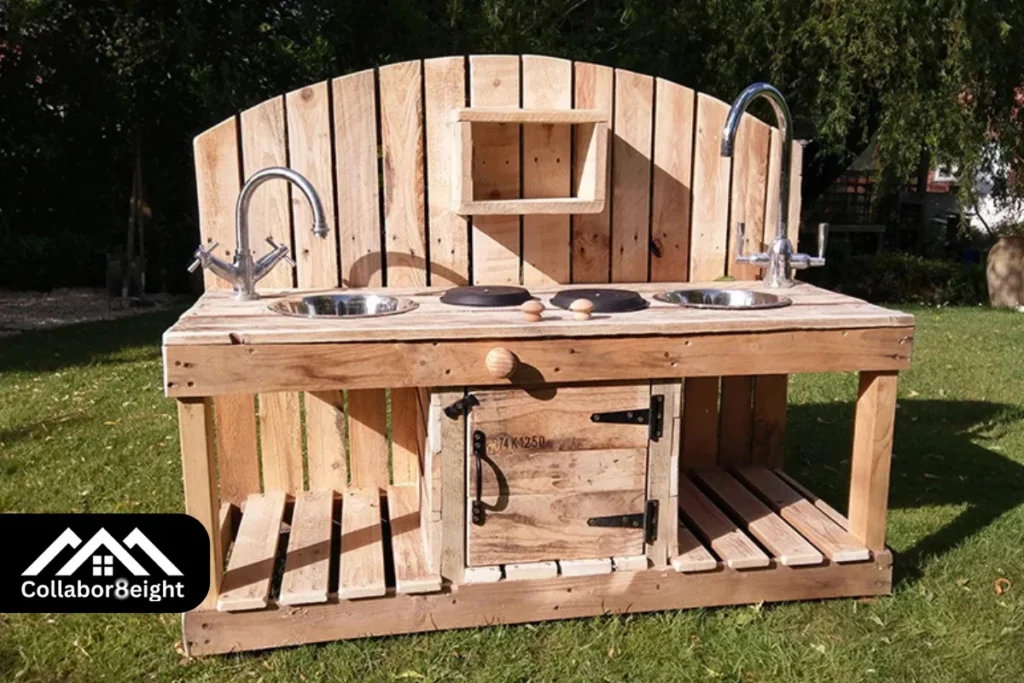
Made from cedar or reclaimed wood. Durable, natural looking, and blends into outdoor spaces.
Small Space Design
Perfect for patios or compact yards. Often includes vertical storage and fold-down counters.
Montessori-Inspired Setup
Neutral colors, simple layout, and child-accessible tools encourage independence.
Water Play Combination
Includes a working tap or water reservoir. Very popular in warm US climates.
DIY Pallet Build
Affordable and customizable. Many families enjoy building it together.
How to Choose the Right Setup
Before buying or building, consider these factors.
Space Availability
Measure your outdoor area and leave room for movement.
Child’s Age
- Ages 2–4: Lower height, fewer tools
- Ages 5–8: Larger workspace and more accessories
Material Quality
Choose smooth edges, weather-resistant wood, and non-toxic finishes.
Storage Features
Shelves, hooks, and bins help keep tools organized.
Budget Range
Options exist for nearly every budget, from DIY builds to premium handcrafted designs.
DIY Mud Kitchen Overview
Many US families prefer building their own setup.
Basic Materials
- Wooden pallets or scrap wood
- Screws and nails
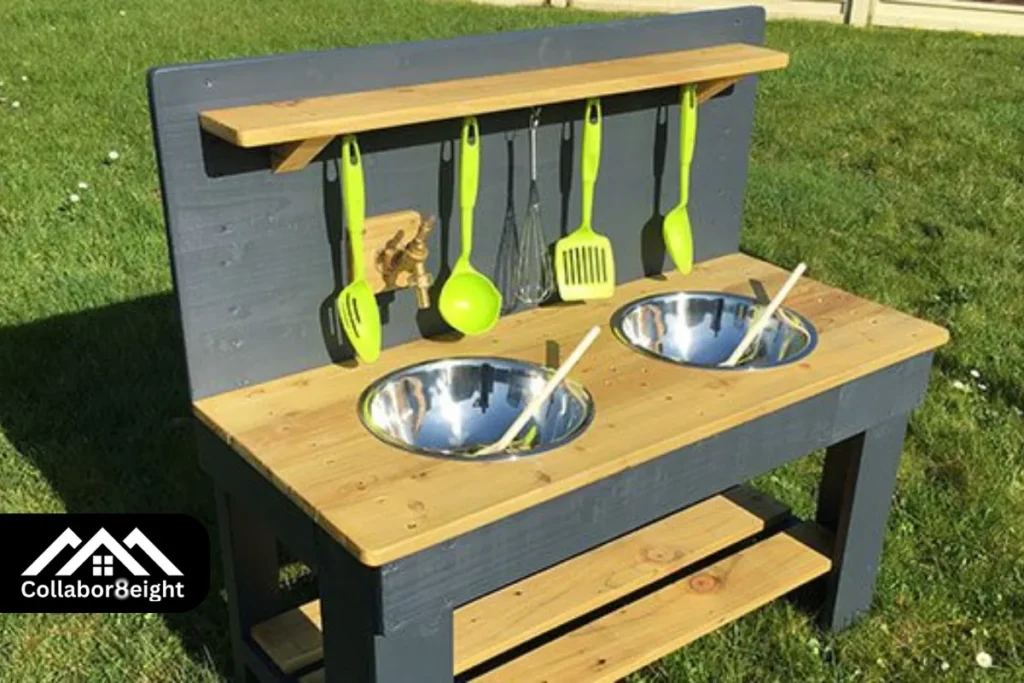
- Metal bowls or an old sink
- Hooks and shelves
- Outdoor sealant
Simple Build Steps
- Choose a flat outdoor surface
- Build a sturdy frame
- Add bowls or sink
- Install storage hooks
- Seal the wood for weather protection
Most DIY projects can be completed in a weekend.
Safety Tips for Outdoor Play
Safety should always come first.
- Supervise younger children
- Avoid sharp or breakable items
- Use clean soil and fresh water
- Teach hand washing after play
- Store tools properly
These simple steps keep play safe and enjoyable.
Best Accessories to Use
You do not need expensive items.
Useful Tools
- Metal or plastic bowls
- Wooden spoons
- Measuring cups
- Old pots and pans
- Muffin trays
Natural Add-Ons
- Leaves and flowers
- Stones and shells
- Sand and pebbles
- Herbs like mint or basil
Natural materials inspire better play than plastic toys.
Mud Kitchen Cost Guide 2026 (USA)
| Type | Estimated Cost |
|---|---|
| DIY Build | $80–$150 |
| Mid-Range Prebuilt | $200–$350 |
| Premium Handmade | $400–$600+ |
Prices depend on size, materials, and added features.
Cleaning and Maintenance Tips
Maintenance is simple.
- Hose down surfaces weekly
- Remove old debris regularly
- Reapply sealant once a year
- Store accessories in bins
With basic care, it can last for years.
Use in Schools and Daycares
Many educational settings now include these play stations.
Best Practices
- Multiple stations for group play
- Clearly labeled storage bins
- Seasonal activity themes
- Cleanup routines for children
They support teamwork and outdoor learning.
Environmental Benefits
- Reduces plastic toy use
- Encourages recycling and reuse
- Teaches environmental awareness
- Promotes outdoor activity
These lessons support long-term eco-conscious habits.
Mud Kitchen Trends to Watch in 2026
- Natural, neutral aesthetics
- Modular and expandable designs
- Inclusive layouts for all abilities
- Focus on durability over plastic features
Parents value quality and longevity more than flashy extras.
Is a Mud Kitchen Worth It?
For most families, yes. It offers long-term play value, supports learning, and encourages healthy outdoor activity. Compared to many toys, it keeps children engaged for years.
If you want meaningful outdoor play in 2026, this is one of the best investments you can make.
FAQs
What age is best for this type of play?
Most children enjoy it from ages 2 to 8 with proper supervision.
Is it safe for toddlers?
Yes, when built at the right height and used with safe materials.
Can it be used in winter?
Yes. Dry materials like sand, stones, and leaves work well in colder months.
Do I need running water?
No. Buckets or refillable containers are enough.
How long does it last?
With proper care, a quality setup can last several years.