
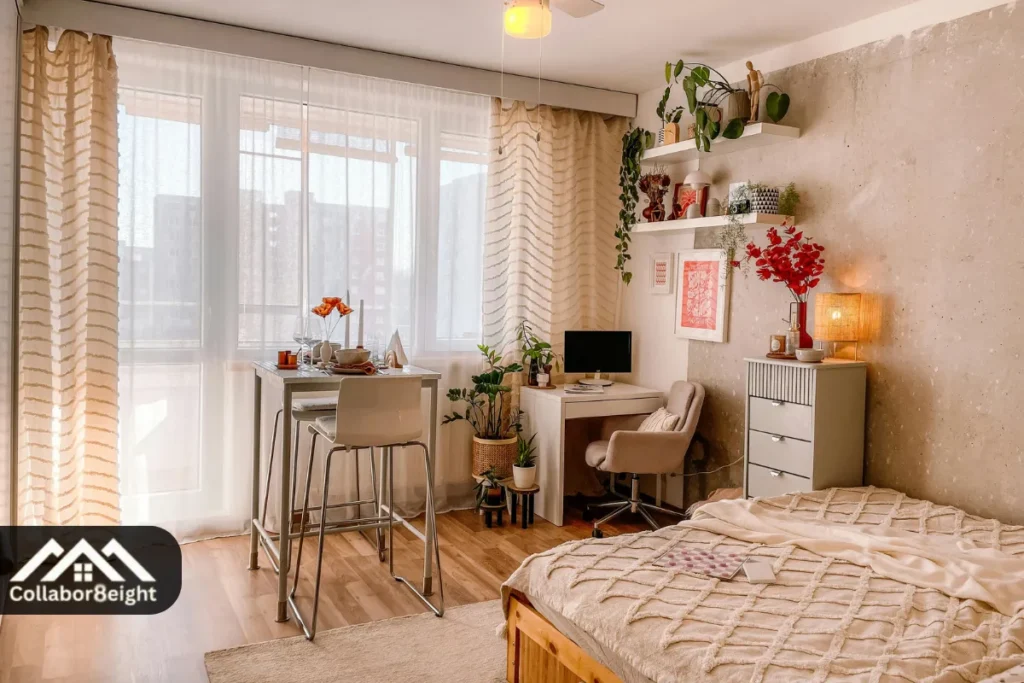
Choosing the right size bedrooms has become one of the most important decisions in home design for 2026. With rising property prices, remote work, and lifestyle changes, homeowners and buyers in the UK, USA, Canada, and France are paying closer attention to bedroom dimensions than ever before.
The best size bedrooms are no longer just about fitting a bed. They must support comfort, storage, movement, lighting, and even work-from-home needs. Whether you’re building, renovating, or buying a home, understanding modern bedroom size standards helps you make smarter decisions.
This guide breaks down everything you need to know about size bedrooms, including ideal measurements, country-specific standards, furniture planning, and future-ready design trends.
Why Size Bedrooms Matter More in 2026
In 2026, bedroom spaces serve multiple purposes. A bedroom might also be a workspace, relaxation zone, or private retreat.
Here’s why choosing the right size bedrooms is critical:
- Improved sleep quality through better layout
- Space for modern furniture and storage
- Flexibility for hybrid work lifestyles
- Higher property resale value
- Compliance with updated housing standards
Modern homeowners now prioritize functional space over wasted square footage.
Standard Size Bedrooms by Type (2026 Updated)
Understanding standard size bedrooms by category helps you plan effectively.
Single Bedroom Size
Single bedrooms are commonly used for children, guests, or home offices.
- Average size: 7–9 m² (75–100 sq ft)
- Fits: single bed, wardrobe, small desk
- Best for compact homes and apartments
Double Bedroom Size
Double bedrooms are the most common bedroom type.
- Average size: 10–14 m² (110–150 sq ft)
- Fits: double bed, bedside tables, wardrobe
- Ideal for couples or teenagers
Master Bedroom Size
Master bedrooms demand larger size bedrooms for comfort and luxury.
- Average size: 15–22 m² (160–240 sq ft)
- Fits: king bed, seating area, storage
- Often includes ensuite bathroom
Guest Bedroom Size
Guest rooms balance comfort with space efficiency.
- Average size: 9–12 m² (100–130 sq ft)
- Fits: double or queen bed
- Minimal storage required
Minimum Bedroom Size Regulations by Country
Minimum size bedrooms vary by country and local building codes.
United Kingdom
- Single bedroom: 6.51 m²
- Double bedroom: 10.22 m²
- Ceiling height: minimum 2.3 m recommended
United States
- Minimum bedroom size: 70 sq ft
- Minimum width: 7 ft
- Must include window for egress
Canada
- Minimum bedroom size: 75 sq ft
- Minimum ceiling height: 2.1 m
- Must meet fire safety standards
France
- Minimum bedroom size: 9 m²
- Minimum ceiling height: 2.2 m
- Mandatory natural light and ventilation
These legal requirements define the minimum, not the ideal size bedrooms.
Best Size Bedrooms for Comfort & Function
While legal minimums exist, the best size bedrooms are usually larger.
Ideal Bedroom Sizes in 2026
- Single bedroom: 8–10 m²
- Double bedroom: 12–15 m²
- Master bedroom: 18–25 m²
Larger size bedrooms allow for:
- Better furniture spacing
- Improved airflow and lighting
- More storage solutions
Bedroom Size Comparison Table
| Bedroom Type | Ideal Size (m²) | Ideal Size (sq ft) |
|---|---|---|
| Single | 8–10 | 85–110 |
| Double | 12–15 | 130–160 |
| Master | 18–25 | 190–270 |
| Guest | 9–12 | 100–130 |
How Furniture Impacts Size Bedrooms
Furniture choices directly affect how size bedrooms feel.
Key Space Considerations
- Minimum 75 cm walking space around bed
- Wardrobes need 60 cm depth
- Desk setups require extra 1.5 m²
A poorly planned layout can make even large size bedrooms feel cramped.
Small vs Large Bedrooms: What Works Best?
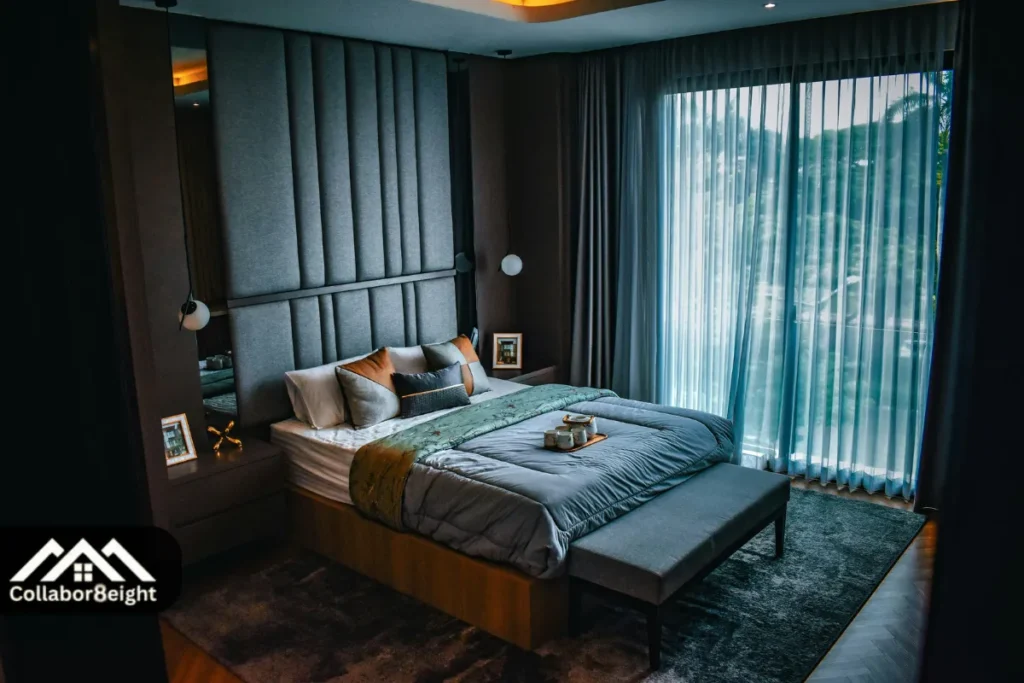
Small Size Bedrooms
Pros:
- Easier to heat and maintain
- Encourages minimalism
- Lower construction costs
Cons:
- Limited storage
- Less flexibility
Large Size Bedrooms
Pros:
- Multi-functional use
- Luxury feel
- Better resale appeal
Cons:
- Higher costs
- Can feel empty without proper design
The best size bedrooms strike a balance between space and usability.
Best Size Bedrooms for Different Users
For Couples
- Minimum 12 m² recommended
- Space for wardrobes on both sides
For Children
- 8–10 m² ideal
- Space for play and study
For Home Offices
- At least 9 m²
- Allows desk, chair, storage
For Seniors
- Wider circulation space
- Easy access layout
Design Trends Influencing Size Bedrooms in 2026
Modern design trends are reshaping size bedrooms:
- Built-in storage reducing space needs
- Minimalist furniture footprints
- Sliding wardrobes
- Multi-purpose layouts
- Smart lighting solutions
These trends allow smaller size bedrooms to function efficiently.
Common Bedroom Size Mistakes to Avoid
Avoid these mistakes when planning size bedrooms:
- Ignoring furniture dimensions
- Not allowing walking clearance
- Overlooking door swing space
- Forgetting natural light placement
- Designing too small for future needs
Expert Tips for Planning Size Bedrooms
- Always plan furniture first
- Add 10–15% extra space for comfort
- Prioritize layout over raw size
- Follow local building regulations
- Design for future lifestyle changes
Professional architects recommend flexible size bedrooms that adapt over time.
Final Thought
The best size bedrooms in 2026 focus on comfort, functionality, and future-proof design. While minimum legal sizes differ across the UK, USA, Canada, and France, ideal bedroom dimensions go beyond compliance.
Whether you prefer compact efficiency or spacious luxury, the right size bedrooms enhance daily living, improve sleep quality, and add long-term value to your home.
FAQs
1. What is the ideal size bedroom in 2026?
The ideal size bedroom in 2026 ranges from 12–15 m² for double bedrooms and 18–25 m² for master bedrooms.
2. What is the minimum legal bedroom size in the UK?
The minimum legal bedroom size in the UK is 6.51 m² for single rooms and 10.22 m² for double rooms.
3. Are larger bedrooms better for resale value?
Yes, larger and well-designed size bedrooms generally increase property appeal and resale value.
4. Can small bedrooms still be comfortable?
Absolutely. Smart layouts, built-in storage, and good lighting make small size bedrooms highly functional.
5. How do I choose the right bedroom size?
Consider user needs, furniture, future use, and local building regulations when choosing size bedrooms.