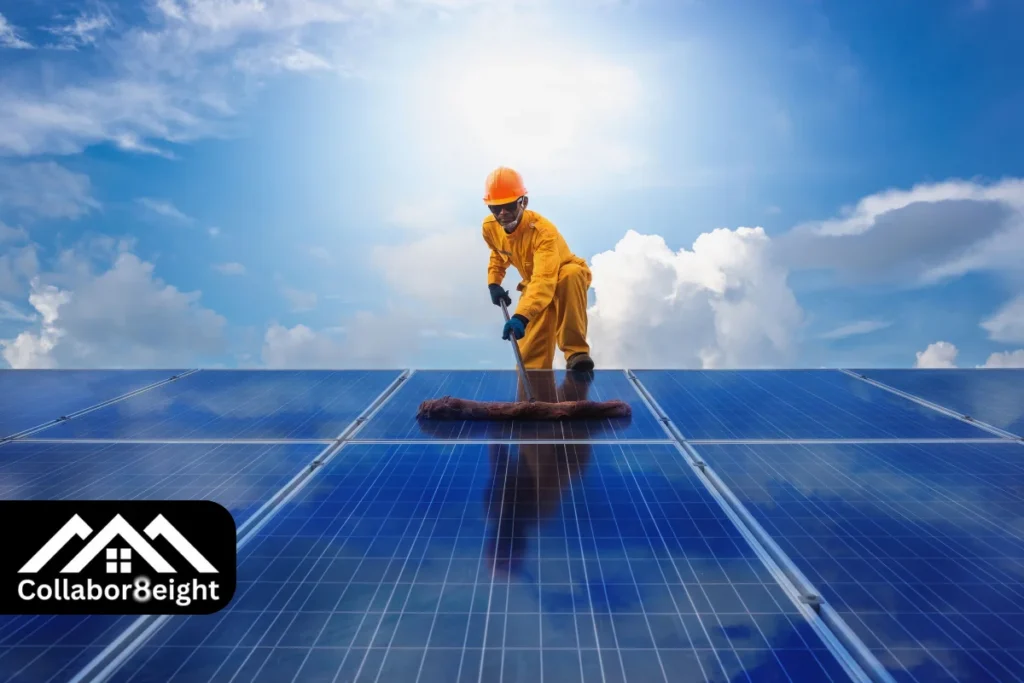
Solar panel cleaning is one of the most overlooked factors affecting solar energy performance in the United States. Many homeowners assume once panels are installed, they work at full capacity forever. In reality, dust, pollen, pollution, bird droppings & even light debris can quietly reduce your system’s output month after month.
Multiple U.S.-based studies & real-world field data show that dirty solar panels can lose 15% to 30% of their energy production over time. That is not a small dip. It directly affects your electricity savings, system payback period & long-term return on investment.
The good news is simple. Proper solar panel cleaning restores lost efficiency, improves energy output & helps your system perform the way it was designed to. This guide explains why cleaning matters, how much power you are really losing & what American homeowners should know before ignoring this critical maintenance step.
Why Solar Panel Cleaning Matters for U.S. Homeowners
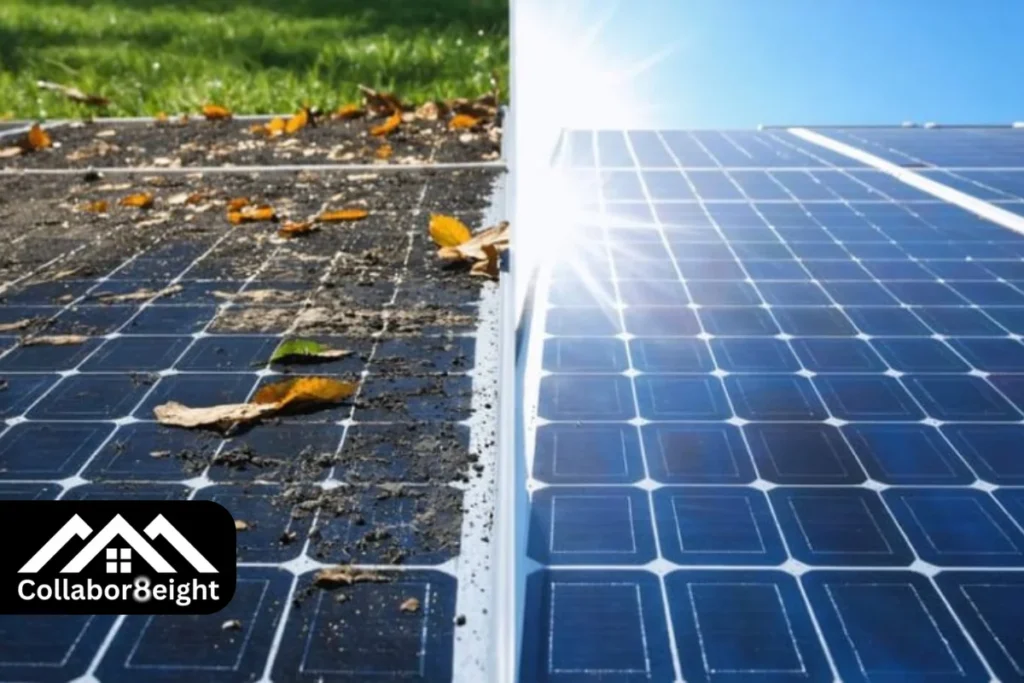
Solar panels are designed to absorb sunlight, not fight through layers of grime. Even a thin layer of dust can interfere with how sunlight reaches the photovoltaic cells underneath the glass.
How Dirt, Dust & Debris Reduce Output
In the U.S., solar panels are exposed to a wide range of environmental conditions depending on location:
- Pollen buildup in spring, especially in suburban areas
- Dust & sand in dry states like Arizona, Nevada & Texas
- Pollution residue in urban areas
- Bird droppings near trees, rooftops & power lines
These contaminants block sunlight & create uneven shading across the panel surface. When even a small portion of a panel is obstructed, the entire panel’s efficiency drops. Over time, this leads to consistent underperformance that most homeowners never notice until reviewing their utility bills.
Real-World Efficiency Loss in American Solar Systems
Field inspections of residential solar systems across the U.S. have shown noticeable energy losses when panels go uncleaned for six months or longer. In high-dust or high-pollen regions, efficiency losses can approach 30%, especially during peak production seasons.
This is not a one-time issue. Dirt accumulates gradually, which means your system may look fine from the ground while silently producing less power every day.
How Much Energy Do Dirty Solar Panels Really Lose?
The energy loss from dirty solar panels depends on location, weather patterns & surrounding environment. However, the impact is measurable & consistent.
Average Power Loss by U.S. Environment
- Urban areas: 10% to 20% loss due to pollution & airborne particles
- Suburban neighborhoods: 15% to 25% loss from pollen, dust & debris
- Dry or agricultural regions: Up to 30% loss from dust & soil buildup
In states with long dry seasons & minimal rainfall, solar panels can remain dirty for months unless actively cleaned. That means peak summer sunlight does not translate into peak energy production.
Why Small Losses Add Up Fast
A 20% efficiency drop may not seem dramatic on a daily basis, but over a year it can translate into hundreds of dollars in lost energy savings. For homeowners who installed solar panels to reduce long-term electricity costs, ignoring cleaning directly undermines that goal.
Solar panel cleaning is not about perfection. It is about restoring performance that your system is already capable of delivering.
Solar Panel Cleaning vs Rain: What Most Homeowners Get Wrong
One of the most common misconceptions in the U.S. is that rain is enough to clean solar panels. While rain can rinse off loose dust, it does not replace proper cleaning.
Why Rain Alone Is Not Enough
Rainwater often contains pollutants & minerals that leave residue behind once it dries. Sticky contaminants like bird droppings, pollen & tree sap are not removed by rainfall. Instead, rain can spread grime across the panel surface, creating uneven patches that continue to block sunlight.
In dry climates, rain may be too infrequent to make any meaningful difference at all.
The “Self-Cleaning Panel” Myth
Some homeowners believe modern solar panels are self-cleaning due to their glass coating. While panels are designed to resist heavy staining, they are not immune to buildup. No solar panel manufacturer claims that routine cleaning is unnecessary.
In fact, many warranties assume basic maintenance, including keeping panels reasonably clean to ensure optimal performance.
How Often Should You Clean Solar Panels in the USA?
There is no one-size-fits-all schedule for solar panel cleaning. The right frequency depends on where you live, local weather & your surroundings.
Recommended Cleaning Frequency by Region
- Southwest & desert states: Every 3–4 months due to dust & sand
- Urban areas: Every 4–6 months because of pollution buildup
- Suburban neighborhoods: Twice a year, usually spring & fall
- Rain-heavy regions: Once or twice a year, depending on debris levels
If your home is near trees, farms, highways, or construction zones, your panels will need more frequent attention.
Seasonal Factors That Matter
Spring pollen & summer dust are the biggest efficiency killers for most U.S. homeowners. Fall brings leaves & organic debris, while winter can leave behind grime even after snow melts. A simple visual inspection from the ground combined with production monitoring can help you decide when cleaning is needed.
DIY Solar Panel Cleaning: Safe Methods That Actually Work
Many homeowners prefer to clean their own solar panels & that is fine if done correctly. The goal is to remove dirt without damaging the panel surface or voiding warranties.
What You Can Safely Use
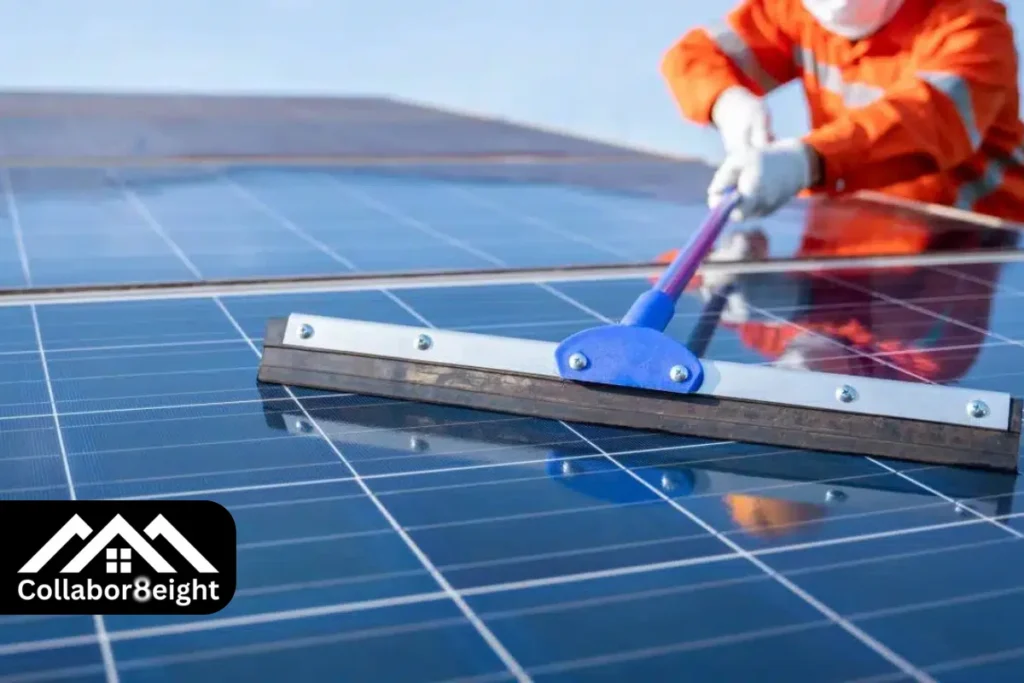
- Soft brush or sponge with a long handle
- Garden hose with low water pressure
- Clean water or mild, non-abrasive soap
- Early morning or late evening cleaning to avoid heat stress
Avoid harsh chemicals & pressure washers. These can damage the protective glass coating & reduce panel lifespan.
Common Mistakes to Avoid
- Cleaning hot panels in direct sunlight
- Using abrasive tools or hard brushes
- Standing or leaning on panels
- Ignoring manufacturer cleaning guidelines
Safety matters. If your panels are difficult to access or installed on a steep roof, DIY cleaning may not be worth the risk.
Professional Solar Panel Cleaning: When It’s Worth the Cost
For many homeowners, professional solar panel cleaning is the safer & more effective option.
Average Solar Panel Cleaning Cost in the USA
Residential solar panel cleaning typically costs between $150 & $350, depending on system size, roof type & location. While this is an added expense, the recovered energy output often offsets the cost over time.
Residential vs Commercial Benefits
Professional cleaners use specialized equipment, purified water & safety systems that reduce risk & improve results. This is especially valuable for larger systems or homes with hard-to-reach rooftops.
If your system has not been cleaned in over a year, professional cleaning usually delivers immediate & noticeable performance improvements.
Does Solar Panel Cleaning Improve ROI & Lifespan?
Solar panel cleaning is not just about short-term energy gains. It also affects long-term system health.
Long-Term Performance & Warranty Considerations
Consistent buildup can cause uneven heating across panels, a condition known as hot spotting. Over time, this can stress cells & reduce panel lifespan. Many manufacturers expect basic maintenance as part of responsible ownership.
Impact on Return on Investment
Restoring even 15% of lost output can significantly improve annual savings. Over the life of a solar system, routine cleaning can shorten payback periods & increase total financial return.
Clean panels work closer to their rated capacity. Dirty panels do not.
Final Thoughts: Is Solar Panel Cleaning Worth It?
Solar panel cleaning is one of the simplest ways to protect your investment & maximize energy production. If your system is not delivering the output you expected, dirt & debris are often the hidden reason.
Clean panels produce more power, deliver better savings & perform closer to their original design. For U.S. homeowners focused on long-term efficiency & value, regular cleaning is not optional. It is smart maintenance.
How much does solar panel cleaning improve efficiency?
In many U.S. regions, cleaning can restore 15% to 30% of lost energy output.
Is solar panel cleaning really necessary?
Yes. Dirt & debris reduce sunlight absorption & lower system performance over time
Can rain clean solar panels effectively?
Rain removes loose dust but does not eliminate sticky residue, pollen, or bird droppings.
Is professional solar panel cleaning safe for panels?
When done correctly, professional cleaning is safe & follows manufacturer guidelines.
How long does solar panel cleaning take?
Most residential systems can be cleaned in one to two hours.