Spruce Design has steadily earned a place in American design, especially among homeowners and builders. They value clean lines, practical materials, and a restrained modern style. In 2026, the brand’s direction feels more deliberate than experimental.
I base this review on hands-on industry experience. It evaluates more than this design line photo look. It covers real home performance, everyday use, and US consumer expectations.
Rather than selling hype, this article breaks down materials, construction quality, pricing logic, and long-term usability. If you are considering Spruce Design for a renovation, new build, or interior refresh, this review can help. It can help you decide if it is worth the price.
What Defines Spruce Design in 2026
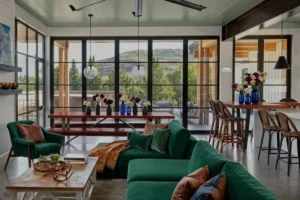
At its core, Spruce Design is rooted in disciplined minimalism. The brand avoids ornamental excess and instead leans on proportion, material honesty, and surface quality. In 2026, the Spruce Design trend still favors warm modern interiors over cold minimalism. This fits current preferences among US homeowners.
What stands out is how this design line balances visual restraint with tactile richness. People should touch surfaces, not just see them. This is essential in American homes, where furniture and fixtures must handle daily use without feeling disposable.
Spruce Design 2026 also reflects a shift toward longevity. Instead of chasing short trends, the brand focuses on materials that age well. It also uses finishes that gain character over time.
Material Philosophy and Construction Standards
One of the strongest aspects of the collection is its material selection strategy. Rather than mixing many low-grade materials, the brand limits each product to a few high-quality components. This improves consistency and durability.
Solid Wood Components
Most core structural elements use kiln-dried solid hardwood, commonly American white oak or walnut. We select these woods for tight grain patterns, minimal sapwood, and moisture content stabilized to US indoor climate standards. This reduces warping, prevents seasonal cracks, and makes the aging process more predictable.
The tactile feel is deliberate. We sand the surfaces to a fine grit and finish them with low-sheen oil or hardwax oils rather than thick lacquer. This preserves grain texture, allowing users to feel the wood rather than a plasticized coating.
Engineered Panels
Where wide spans are required, this design line uses furniture-grade plywood cores with hardwood veneers, not MDF. The plywood layers are cross-laminated for structural stability, reducing sagging over time. Veneers are book-matched and applied with consistent grain direction, which matters visually in open-plan US homes.
Metal Hardware and Joinery
Hardware typically consists of powder-coated steel or brushed stainless steel, chosen for corrosion resistance and structural rigidity. Hinges and slides meet soft-close standards expected by US consumers, with load ratings appropriate for daily use.
Joinery uses hidden dowels, mortise-and-tenon joints, and strong corner blocks, not staples or only glue. This directly affects lifespan, especially in high-use areas like kitchens or entryways.
Spruce Design Ideas Across Key Categories
Furniture and Case Goods
Spruce Design furniture focuses on low-profile silhouettes with generous surface thickness. Dining tables often feature 1.25 to 1.5-inch solid wood tops, which resist flexing and feel substantial. Chairs prioritize ergonomics, with back angles and seat depths designed for longer sitting sessions, aligning with American dining habits.
Estimated prices:
- Dining tables: $2,800 to $5,500
- Chairs: $650 to $1,200 each
- Sideboards: $3,000 to $6,000
Prices reflect material density and labor, not branding markup.
Kitchens and Built-Ins
Cabinetry is where this design line performs strongest. We make the boxes from ¾-inch furniture-grade plywood, which is thicker than many mass-market US cabinets. Door fronts use solid wood frames with stable panel construction to prevent cracking.
Countertop pairings often include honed quartz or sealed natural stone. These materials resist stains and are easy to maintain. US homeowners increasingly prioritize these features.
Estimated prices:
- Full kitchen systems: $28,000 to $65,000
- Built-in storage walls: $18,000 to $40,000
These are premium but competitive within the high-quality custom market.
How Spruce Design Fits US Homes and Lifestyles
American homes tend to be larger, more open, and more multifunctional than European interiors. Spruce Design adapts well to this context by emphasizing scale and durability. Pieces are not overly delicate, and finishes tolerate family use, pets, and frequent entertaining.
Another advantage is code and compliance awareness. Electrical clearances, load tolerances, and material safety standards follow US regulations. This is not always true for imported design brands.
From a resale view, this design line feels like “quiet luxury,” not a trend. This appeals to US buyers who want long-term value.
Pros and Cons of Spruce Design
Pros
- High-grade materials with clear durability benefits
- Thoughtful joinery that improves lifespan
- Aesthetic longevity rather than trend-chasing
- Well-suited to US home layouts and usage patterns
- Consistent quality across categories
Cons
- Pricing places it out of reach for budget renovations
- Limited customization compared to fully bespoke shops
- Lead times can be long because of controlled production.
- Minimalist style may feel too restrained for some tastes
Ideal Use Cases
Spruce Design works best for homeowners who value quality over quantity. Well-suited for primary residences, long-term homes, and projects where consistency matters more than visual drama.
Also good for developers who sell to higher-end US buyers.
These buyers want strong materials that last and age well.
They do not want materials chosen only for quick showroom appeal.
Who Should Avoid This Design Line
If your priority is short-term cost savings or frequent style changes, Spruce Design is not the right choice. Renters, flippers, or trend-focused decorators may find the investment difficult to justify. Those seeking ornate detailing or bold decorative statements may also feel constrained by the brand’s restraint.
From an industry standpoint, Spruce Design aligns closely with broader shifts toward material honesty and functional minimalism. Recent discussions focus on sustainable hardwood. They also look at long-term furniture value.
Modern American interior planning adds to the case. This approach fits 2026. Linking to your recent blog posts on design longevity, cabinetry standards, or material selection would feel natural. It would also add value for readers.
Final Thought: Is Spruce Design Worth It in 2026?
Spruce Design is not about instant gratification. Investing in materials and construction methods that hold up under real use matters. For US homeowners who understand the difference between surface-level design and structural quality, the collection earns its reputation.
Spruce Design 2026 feels mature, confident, and grounded. It does not try to be everything to everyone, and that restraint is its biggest strength. If you value durability, understated aesthetics, and long-term satisfaction, Spruce Design remains a smart, defensible choice.
What is Spruce Design best known for?
Spruce Design is best known for its minimalist, material-driven approach.
It prioritizes solid hardwoods, durable construction, and long-term usability over short-lived design trends.
Is Spruce Design worth the price in the USA market?
Yes, if you value durability and longevity. Spruce Design costs more upfront, but the material quality and construction reduce replacement and repair costs over time.
What materials does Spruce Design use?
Spruce Design primarily uses kiln-dried solid hardwoods like white oak and walnut, furniture-grade plywood cores, and powder-coated or stainless steel hardware for structural reliability.
How does Spruce Design compare to custom furniture?
Spruce Design sits between semi-custom and fully bespoke work. It offers better consistency and quality than mass-market brands, but less customization than local artisan shops.
Is Spruce Design good for families with kids or pets?
Yes. The low-sheen oil finishes, thick solid wood parts, and strong joinery stand up to daily wear, minor impacts, and frequent cleaning.