Waterproof flooring has become one of the most in-demand home improvement upgrades in the USA—and in 2026, that demand is only growing. With changing lifestyles, open-concept floor plans, pets, kids, and climate-related moisture concerns, homeowners want flooring that can handle spills, humidity, and daily wear without sacrificing style.
Whether you’re renovating a kitchen, upgrading a bathroom, finishing a basement, or planning a whole-house remodel, waterproof flooring offers durability, peace of mind, and long-term value. Unlike traditional hardwood or laminate, today’s waterproof flooring materials are engineered to resist water damage while mimicking natural wood and stone better than ever.
This comprehensive guide explains what waterproof flooring really is, the best waterproof flooring options in 2026, costs, installation considerations, pros and cons, and expert tips—so you can make a confident, informed decision.
What Is Waterproof Flooring?
Waterproof flooring refers to flooring materials that are 100% impervious to water penetration, even when exposed for extended periods. This means spills, pet accidents, wet mopping, and even standing water won’t cause swelling, warping, or mold growth when installed correctly.
Waterproof vs Water-Resistant Flooring
| Feature | Waterproof Flooring | Water-Resistant Flooring |
|---|---|---|
| Water exposure | Unlimited | Limited |
| Standing water | Safe | Risky |
| Bathrooms & basements | Ideal | Not recommended |
| Core material | Non-absorbent | Wood-based or composite |
| Long-term durability | Very high | Moderate |
Important: Many products marketed as “water-resistant” are not truly waterproof. Always verify the core material and manufacturer warranty.
Why Waterproof Flooring Is a Top Choice in the USA (2026 Trends)
Several trends are driving the surge in waterproof flooring popularity across American homes:
- Open-floor living where kitchens blend into living areas
- Basement conversions into offices or guest suites
- Pet-friendly homes with higher moisture exposure
- Climate variability (humidity, flooding risks)
- Desire for low-maintenance flooring
Manufacturers have responded with next-generation waterproof flooring that combines performance, comfort, and modern design.
Types of Waterproof Flooring in 2026
1. Luxury Vinyl Plank (LVP) Waterproof Flooring
Luxury vinyl plank remains the most popular waterproof flooring option in the USA.
Key Features
- 100% waterproof core (SPC or WPC)
- Realistic wood textures
- Soft underfoot
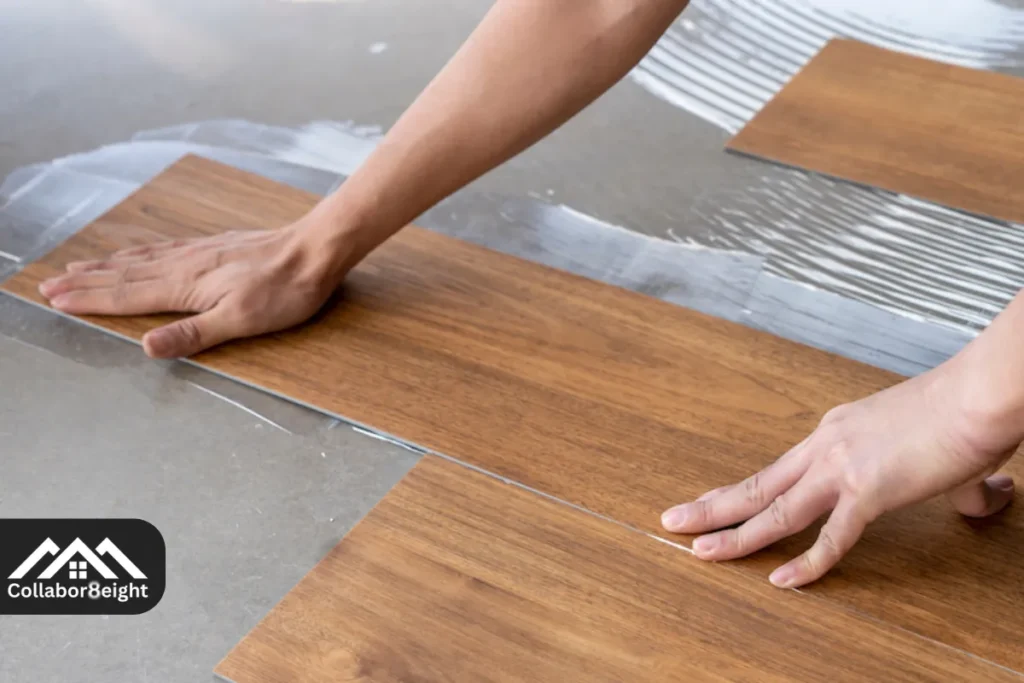
- DIY-friendly click-lock systems
Best Rooms
- Kitchens
- Living rooms
- Bedrooms
- Basements
Pros
- Affordable
- Scratch-resistant
- Wide design variety
Cons
- Can dent under heavy furniture
- Lower resale perception than hardwood
2. Luxury Vinyl Tile (LVT) Waterproof Flooring
LVT offers the same waterproof benefits as LVP but mimics stone or ceramic tile.
Why Choose LVT
- Looks like marble, slate, or concrete
- Warmer and quieter than tile
- No grout maintenance
Ideal For
- Bathrooms
- Laundry rooms
- Entryways
3. Waterproof Laminate Flooring (Next-Gen)
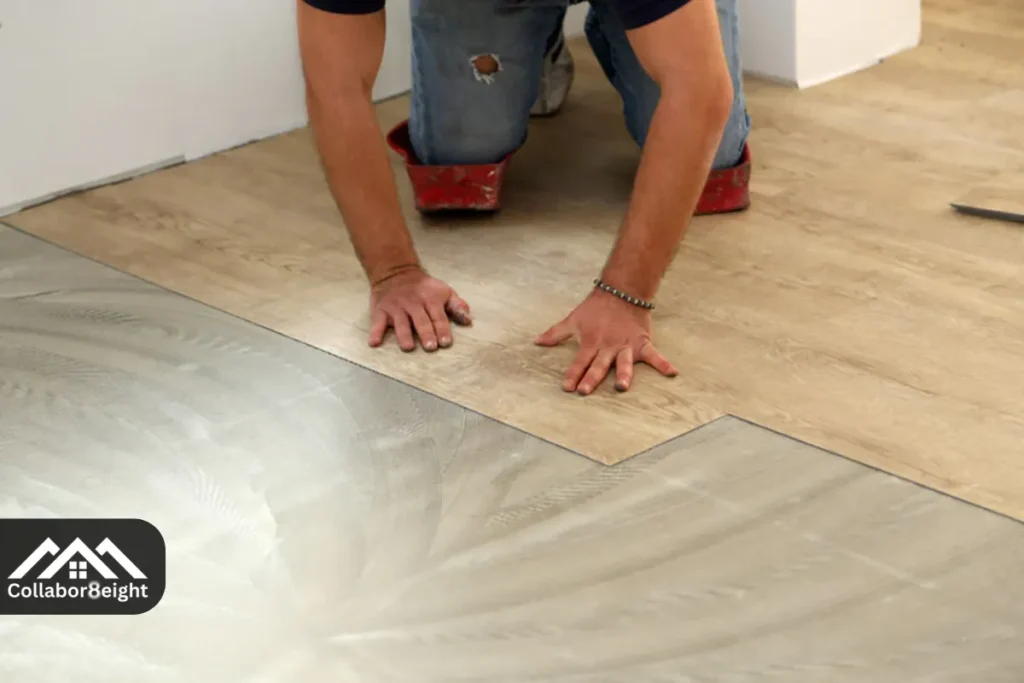
Modern waterproof laminate has evolved significantly by 2026.
What’s New
- Waterproof surface coatings
- Sealed locking systems
- Non-wood composite cores
⚠️ Tip: Always confirm “100% waterproof” labeling—many laminates remain only water-resistant.
4. Porcelain & Ceramic Tile Flooring
Tile is a classic waterproof flooring solution that remains relevant.
Advantages
- Fully waterproof
- Extremely durable
- Works with radiant heating
Disadvantages
- Cold and hard underfoot
- Professional installation recommended
5. Engineered Waterproof Hardwood (Hybrid Flooring)
Hybrid waterproof wood flooring blends natural wood veneers with waterproof cores.
Best For
- Homeowners wanting wood aesthetics
- Living areas with moisture concerns
Limitations
- Higher cost
- Limited refinishing
Waterproof Flooring Cost in 2026 (USA Pricing)
| Flooring Type | Material Cost (per sq ft) | Installed Cost |
|---|---|---|
| LVP | $2.50 – $6.50 | $5 – $9 |
| LVT | $3 – $7 | $6 – $10 |
| Waterproof Laminate | $3 – $6 | $6 – $9 |
| Porcelain Tile | $4 – $10 | $8 – $15 |
| Waterproof Hardwood | $6 – $12 | $10 – $18 |
Cost factors include:
- Subfloor preparation
- Room size
- Installation method
- Underlayment requirements
Best Rooms for Waterproof Flooring
Bathrooms
- LVT
- Porcelain tile
Kitchens
- LVP
- Waterproof laminate
Basements
- SPC vinyl
- Tile
Living Areas
- LVP
- Hybrid waterproof wood
How to Choose the Best Waterproof Flooring (Expert Tips)
1. Check the Core Material
Look for:
- SPC (Stone Plastic Composite)
- WPC (Wood Plastic Composite)
- Solid polymer cores
2. Review the Warranty
Top manufacturers now offer:
- Lifetime residential waterproof warranties
- Commercial waterproof coverage
3. Slip Resistance
For bathrooms and entryways, choose textured finishes with anti-slip ratings.
4. Thickness & Wear Layer
- 12–20 mil wear layer recommended for busy households
Installation Options: DIY vs Professional
DIY Installation
✔ Click-lock vinyl
✔ Floating floors
Professional Installation Recommended For
- Tile flooring
- Glue-down vinyl
- Uneven subfloors
Maintenance & Care for Waterproof Flooring
One of the biggest benefits of waterproof flooring is easy maintenance:
- Sweep or vacuum regularly
- Damp mop with manufacturer-approved cleaner
- Avoid abrasive tools
Unlike hardwood, no sealing or refinishing is required.
Environmental & Health Considerations (2026 Standards)
Modern waterproof flooring meets stricter standards:
- Low-VOC certification
- Phthalate-free vinyl
- Recyclable materials
Look for certifications like:
- FloorScore®
- GREENGUARD Gold
Waterproof Flooring vs Traditional Hardwood
| Feature | Waterproof Flooring | Hardwood |
|---|---|---|
| Water protection | Excellent | Poor |
| Maintenance | Low | High |
| Cost | Moderate | High |
| Installation | Easier | Complex |
| Ideal for basements | Yes | No |
Is Waterproof Flooring Worth It in 2026?
Absolutely. For most U.S. homeowners, waterproof flooring offers the best balance of durability, affordability, and design flexibility. With improved realism and performance, it’s no longer a compromise—it’s a smart upgrade.
Final Thoughts
Waterproof flooring in 2026 is smarter, stronger, and more stylish than ever. Whether you’re upgrading one room or your entire home, choosing the right waterproof flooring ensures comfort, durability, and long-term value—without the stress of water damage.
FAQs
1. What is the best waterproof flooring in 2026?
Luxury vinyl plank (LVP) is the best overall waterproof flooring due to its durability, affordability, and realistic design options.
2. Is waterproof flooring really 100% waterproof?
Yes—true waterproof flooring with SPC, WPC, or porcelain cores will not absorb water when properly installed.
3. Can waterproof flooring be used in bathrooms and basements?
Absolutely. Waterproof flooring is ideal for high-moisture areas like bathrooms, basements, and laundry rooms.
4. Does waterproof flooring increase home value?
Yes. Modern waterproof flooring improves resale appeal, especially in kitchens, basements, and open-concept homes.
5. How long does waterproof flooring last?
High-quality waterproof flooring can last 15–30 years, depending on material quality and maintenance.