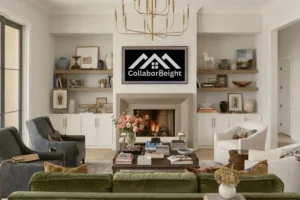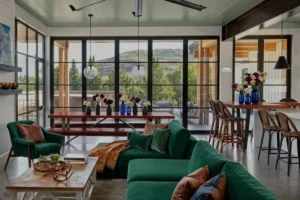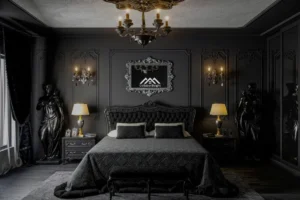
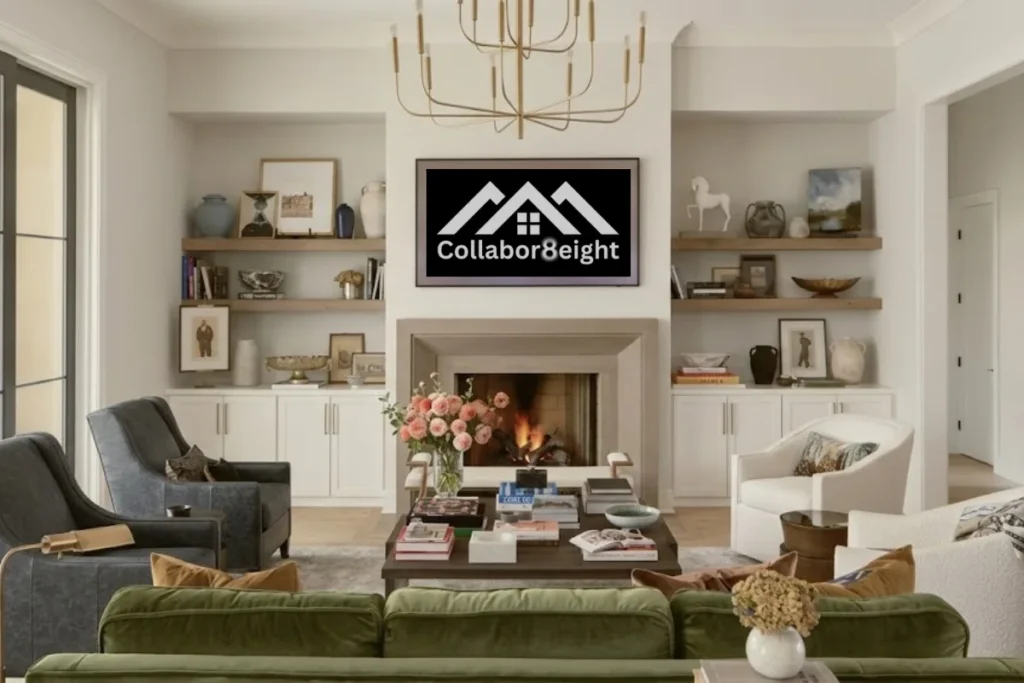
You just moved into a new place. You’re standing in the middle of an empty room, a Pinterest tab open on your phone, and you realize you have absolutely no idea what your decorating style actually is. Sound familiar?
You’re not alone. Many people constantly search, what is my home decor style, because they feel overwhelmed by trends and choices. ‘What is my home decor style?’ is one of the most Googled interior design questions in the country and for good reason. With so many trends, aesthetics, and design philosophies out there, it’s genuinely hard to know where to begin.
This guide is here to change that. Whether you’re a first-time homeowner in Austin, a renter in Chicago, or a DIY lover redecorating your studio apartment in Brooklyn by the end of this article, you’ll know exactly what your personal interior design style is, and how to bring it to life in 2026.
By the end of this guide, you won’t need to keep asking, what is my home decor style, because you’ll have a clear answer.
Table of Contents
Why Knowing Your Home Decor Style Actually Matters
A lot of people skip this step. They buy things they like one piece at a time, and six months later, their home feels cluttered, mismatched, or just… off. That feeling usually comes down to one thing: no clear design identity.
When you understand your decorating style, everything gets easier:
- Shopping becomes faster and more intentional no more impulse buys you later regret
- Your space feels cohesive, even when mixing and matching pieces from different stores
- You spend less money because you stop buying things that don’t fit
- You feel genuinely at home in your own space
How to Answer the Question: What Is My Home Decor Style?
Before we break down the actual styles, here are a few practical exercises that help you discover your aesthetic without spending a dollar.
1. Create a Mood Board (Seriously, It Works)
Open Pinterest or Houzz and search ‘living room ideas’ or ‘bedroom decor.’ Save everything that makes you stop scrolling. Don’t overthink it, just save what catches your eye.
After 20–30 pins, look for patterns. Are you drawn to neutral tones and clean lines? Rich textures and warm wood tones? Lots of plants and natural light? That visual pattern is your design language.
2. Look at What You Already Own and Love
Walk through your space and identify the three things you love most: a lamp, a blanket, a piece of art. What do they have in common? Their color, their texture, their simplicity or boldness? That common thread is often the foundation of your personal home aesthetic.
3. Notice Which Spaces Feel Like ‘You’
When you walk into a coffee shop, a friend’s house, or a hotel lobby and feel instantly at ease, pay attention. What does that space look like? What colors are on the walls? Is it minimal and airy, or warm and layered? Your gut reaction is a powerful design compass.
If you’re still wondering, what is my home decor style, the breakdown below will help you clearly identify where you fit.
The Most Popular Home Decor Styles in 2026 (And How to Spot Yours)
Here’s a breakdown of the dominant interior design styles trending in 2026 with real-life descriptions to help you self-identify.
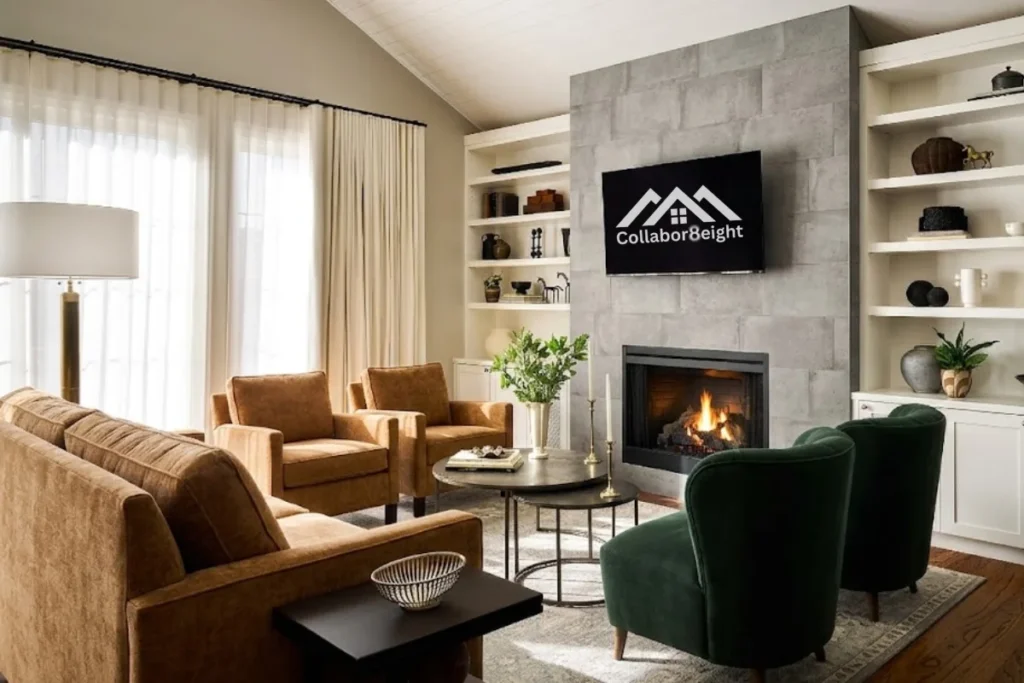
Modern Minimalist
Clean lines. Uncluttered surfaces. A neutral color palette of whites, grays, and blacks. If your idea of a beautiful room is one where everything has a place and nothing is excessive, you’re probably a minimalist at heart.
Key characteristics:
- Furniture with sleek, geometric shapes
- Limited accessories and décor
- Monochromatic or tonal color schemes
- Hidden storage solutions
- Emphasis on quality over quantity
Real example: A white living room with a low-profile gray sofa, a single abstract print on the wall, and a concrete coffee table. Nothing more, nothing less.
Warm Minimalism / Japandi
One of the biggest interior design trends of the 2020s, Japandi blends Scandinavian simplicity with Japanese wabi-sabi philosophy. The result is minimal but warm with natural wood tones, linen textures, and handcrafted ceramics.
Key characteristics:
- Muted, earthy color palettes (sage, terracotta, sand)
- Natural and sustainable materials
- Low-profile furniture with clean lines
- Handmade or artisanal accents
- Emphasis on calm, functional beauty
Real example: A bedroom with a walnut platform bed, linen bedding in oatmeal tones, a single potted plant, and a woven jute rug. Calm, grounding, and effortlessly stylish.
Bohemian / Eclectic
If you love color, pattern, texture, and the idea that ‘more is more,’ boho eclectic might be your calling. This style celebrates individuality, travel, and self-expression. There are no strict rules which is both appealing and challenging.
Key characteristics:
- Rich, layered color palettes (jewel tones, earth tones, mixed prints)
- Vintage, thrifted, or globally-sourced pieces
- Lots of textiles rugs, throws, pillows, tapestries
- Plants, lots and lots of plants
- Personal collections and meaningful objects on display
Real example: A living room with a teal velvet sofa, a Turkish kilim rug, gallery wall of mixed art, macramé wall hanging, and a fiddle-leaf fig in a terracotta pot.
Traditional / Classic American
Traditional style is timeless, warm, and polished. It draws from classic European and American design, featuring symmetry, rich color, and furniture with elegant detailing. If you prefer a home that feels refined and enduring over trendy, this is your lane.
Key characteristics:
- Symmetrical furniture arrangements
- Dark wood tones and upholstered pieces
- Rich colors like navy, burgundy, and forest green
- Decorative moldings, wainscoting, and crown trim
- Layered window treatments and area rugs
Real example: A dining room with a mahogany table, upholstered wingback chairs, a crystal chandelier, and drapes in deep blue with gold trim.
Modern Farmhouse
Popularized by Chip and Joanna Gaines, modern farmhouse blends rustic, country elements with clean, contemporary design. It’s comfortable, casual, and deeply American in spirit.
Key characteristics:
- Shiplap walls, barn doors, and exposed beams
- White and gray color palette with warm wood accents
- Farmhouse sinks, open shelving, and practical layouts
- Cozy textures buffalo check, knit throws, linen
- Vintage or antique accents mixed with modern fixtures
Real example: An open-plan kitchen with white cabinets, a wood island, a subway tile backsplash, open shelving with ironstone ceramics, and a farmhouse table with mismatched vintage chairs.
Transitional Style
Can’t choose between modern and traditional? You don’t have to. Transitional style lives in that sweet spot between the two; it’s the most popular home decor style in the US for a reason. It works in virtually any home, for virtually any person.
Key characteristics:
- Neutral palettes with pops of warm or cool color
- Mix of classic silhouettes and modern materials
- Comfortable, livable furniture without being fussy
- Understated elegance not too stiff, not too casual
- Timeless over trendy
Real example: A family room with a tufted sectional in greige, a glass-top coffee table with brushed brass legs, linen curtains, and an abstract watercolor above the fireplace.
Maximalist / Dopamine Décor
2026’s buzziest design movement? Dopamine décor using bold color, playful patterns, and joyful objects to boost your mood at home. If walking into an all-white room feels depressing rather than calming, maximalism might be your thing.
Key characteristics:
- Bold, saturated colors (cobalt, magenta, mustard, emerald)
- Patterned wallpapers, colorful ceiling, statement floors
- Curated collections and displayed objects
- Unexpected combinations that feel intentional
- Joy and personality over restraint
Real example: A home office with a coral pink wall, a vintage green desk, a gallery wall of bold prints, a leopard-print chair, and shelves of colorful books organized by spine color.
What If You’re a Mix of Multiple Styles?
Good news: most people are. Interior design is not a one-size-fits-all label. Many homeowners identify with a primary style, say, modern but bring in elements of another, like boho or traditional. This is completely normal and even encouraged. If you’ve been thinking, what is my home decor style if I love multiple aesthetics, this is completely normal.
The key is to identify your anchor style (the one that feels most ‘you’ overall) and use it as the foundation of your space. Then, layer in accents from your secondary style to add personality and warmth.
For example: If you love the cleanliness of modern minimalism but feel it’s too cold, add Japandi textures (linen, wood, ceramics) to warm it up. If you love traditional style but want it to feel fresh, swap out heavy drapes for lighter window treatments and remove some accessories.
Home Decor Trends Shaping Style Choices in 2026
Beyond overarching styles, a few specific trends are influencing how Americans are decorating their homes this year. Knowing these can help you refine your aesthetic or add a current edge to a classic style.
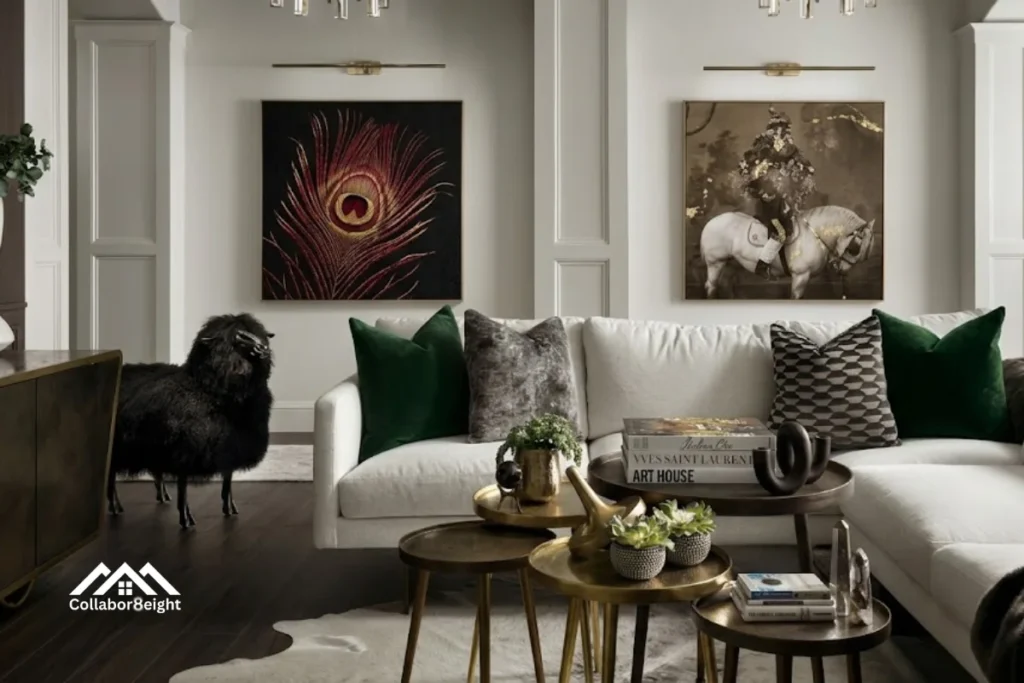
Biophilic Design
Bringing the outdoors in. Houseplants, natural light, stone, wood, and water features are all growing in popularity. Biophilic design crosses all styles; it’s as at home in a minimalist apartment as it is in a bohemian bungalow.
Quiet Luxury
Understated elegance. Cashmere throws, quality linen, real wood, and heirloom-quality pieces. No logos, no flash just beautiful materials and timeless craftsmanship. Think old-money aesthetic applied to the home.
Personalized Spaces
The ‘curated but personal’ look is huge in 2026. Framed family photos styled on shelves, heirloom objects mixed with modern finds, and travel souvenirs used as décor. Your home should tell your story not look like a showroom.
Sustainable and Vintage
Secondhand shopping has officially gone mainstream. Thrifted furniture, antique market finds, and vintage pieces are being mixed into every style category from minimalist to maximalist. It’s eco-conscious and deeply personal.
Practical Tips to Start Decorating with Your Style
Once you’ve answered the question, what is my home decor style, the next step is turning that clarity into action. Once you know your style, here’s how to actually implement it especially on a budget.
Start with a Color Palette
Pick 3–5 colors that represent your style. Write them down. Stick to them. Every purchase of pillows, rugs, artwork, throws should pull from this palette. This single rule alone will make your space look more intentional.
Invest in Anchor Pieces First
Your sofa, bed frame, and dining table are the anchors of your space. Invest more here in quality and design and save on accessories. A great sofa in the wrong style will fight everything else in the room.
Layer Thoughtfully
Every room needs layers to feel complete: a rug, window treatments, lighting, greenery, and soft textiles. Even the most minimal space needs these elements; it’s what makes a room feel lived-in rather than staged.
Don’t Rush
The best-looking homes are built slowly. Live in your space for a few weeks before buying major pieces. Notice what bothers you and what you love. Let the room breathe before you fill every corner.
Final Thought
If you’re asking yourself, what is my home decor style, the answer isn’t about following strict rules. It’s about noticing what makes you feel comfortable, inspired, and at home, then building your space around that.
In 2026, the most beautiful homes are the ones that feel genuinely personal. Whether you’re drawn to the serene simplicity of Japandi, the joyful maximalism of dopamine décor, or the timeless comfort of transitional style, your aesthetic is valid, and your home can absolutely reflect it.
Start with one room. Pick your palette. Invest in a few great pieces. Layer slowly. And trust your gut it’s been telling you your style all along.
What is my home decor style and how do I figure it out?
Begin by creating a Pinterest or Houzz mood board. Save images of rooms that appeal to you without overthinking. After 20–30 saves, look for recurring colors, materials, and moods. That pattern is your design style.
Can I mix more than one home decor style?
Absolutely. Most designers recommend anchoring your space in one primary style and layering in accents from a secondary style. For example, modern minimalism with warm Japandi textures, or traditional furniture with contemporary artwork.
What home decor style is most popular in the US in 2026?
Transitional style remains the most widely used in American homes because of its versatility. However, Japandi, Modern Farmhouse, and Dopamine Décor (Maximalist) are all trending strongly as homeowners lean into personalized, feel-good spaces.
How do I decorate on a budget without losing my style?
Focus on your color palette first; it costs nothing. Then prioritize one anchor piece (like a great sofa or rug) and build around it slowly. Thrift stores, Facebook Marketplace, and IKEA hacks can all deliver style-aligned pieces at a fraction of full retail price.
Is it okay if my style changes over time?
Not only is it okay, it’s expected. Your home decor style will evolve as you grow, travel, and change. The goal isn’t to lock yourself in forever; it’s to create a home that feels right for where you are right now.