A steamy bathroom might feel normal after a hot shower, but trapped moisture can quietly damage your home. Foggy mirrors, peeling paint, lingering odors, and even mold are common signs that ventilation is not doing its job. This is where a bathroom exhaust fan becomes more than just a nice-to-have feature. It is a practical upgrade that protects your bathroom, improves air quality, and adds everyday comfort.
In this guide, we will walk through how a bathroom exhaust fan works, how to choose the right one, and what to know about installation or replacement. Whether you are a homeowner, renter, or DIY enthusiast in the USA, you will find clear and useful advice you can actually use.
What Is a Bathroom Exhaust Fan and Why It Matters
A bathroom exhaust fan pulls moist air out of the room and vents it outside your home. This simple action helps prevent moisture buildup that can lead to mold, mildew, and structural damage.
In many parts of the USA, building codes require proper bathroom ventilation, especially in homes without windows in the bathroom. Even if your bathroom has a window, relying on it alone is not always practical, especially during winter or humid summer months.
Key benefits of a bathroom exhaust fan
- Reduces humidity and moisture damage
- Helps prevent mold and mildew growth
- Removes odors quickly and effectively
- Protects paint, drywall, and fixtures
- Improves overall indoor air quality
Choosing the Right Bathroom Exhaust Fan
Not all fans are the same. Choosing the right size and features makes a noticeable difference in performance and noise level.
Fan size and airflow (CFM)
Airflow is measured in cubic feet per minute, or CFM. A general rule used in the USA is:
- 1 CFM per square foot of bathroom space
For example, a 70 square foot bathroom needs a fan rated at least 70 CFM. Larger bathrooms or those with high ceilings may need more airflow.
Noise level matters
Fan noise is rated in sones. Lower sones mean quieter operation.
- 1.0 sones or less: Very quiet
- 1.5 to 2.0 sones: Moderate noise
- Above 3.0 sones: Loud
Most homeowners prefer a quiet fan they barely notice during use.
Bathroom Exhaust Fan With Light: Two Functions, One Fixture
A bathroom exhaust fan with light is a popular choice, especially in smaller bathrooms. It combines ventilation and lighting in one ceiling unit, which saves space and simplifies wiring.
Some models also include LED lights or night lights, making them both energy efficient and stylish. If your bathroom lacks overhead lighting, this option can be a smart upgrade.
When this option makes sense
- Small bathrooms with limited ceiling space
- Older homes with minimal lighting
- Remodels where you want a clean, modern look
Signs You Need an Exhaust Fan Bathroom Upgrade
If your current fan is not performing well, it might be time for a change. An outdated or weak exhaust fan bathroom setup can do more harm than good by giving a false sense of ventilation.
Common signs you need a replacement
- Fan is loud or rattling
- Moisture lingers long after showers
- Visible mold or mildew on walls or ceiling
- Fan does not turn on consistently
- Unit is more than 10 to 15 years old
A proper bathroom exhaust fan replacement can instantly improve comfort and protect your bathroom surfaces.
Bathroom Exhaust Fan Installation: What to Expect
Installing a new bathroom exhaust fan can be a DIY project for experienced homeowners, but many people prefer professional help. Understanding the process helps you decide what is right for you.
Basic installation steps
- Turn off power at the breaker
- Remove the old fan housing
- Check or upgrade ductwork to vent outside
- Secure the new fan unit in the ceiling
- Connect wiring according to manufacturer instructions
- Seal gaps and attach the cover
Proper bathroom exhaust fan installation is critical. Venting into an attic instead of outdoors can cause serious moisture problems, especially in colder US climates.
DIY or professional?
- DIY may work for simple replacements with existing wiring
- Hire a professional if new ducting or electrical work is needed
- Local codes in the USA may require permits for certain installations
Tips for Better Performance and Energy Savings
Even the best fan needs proper use and maintenance to work well.
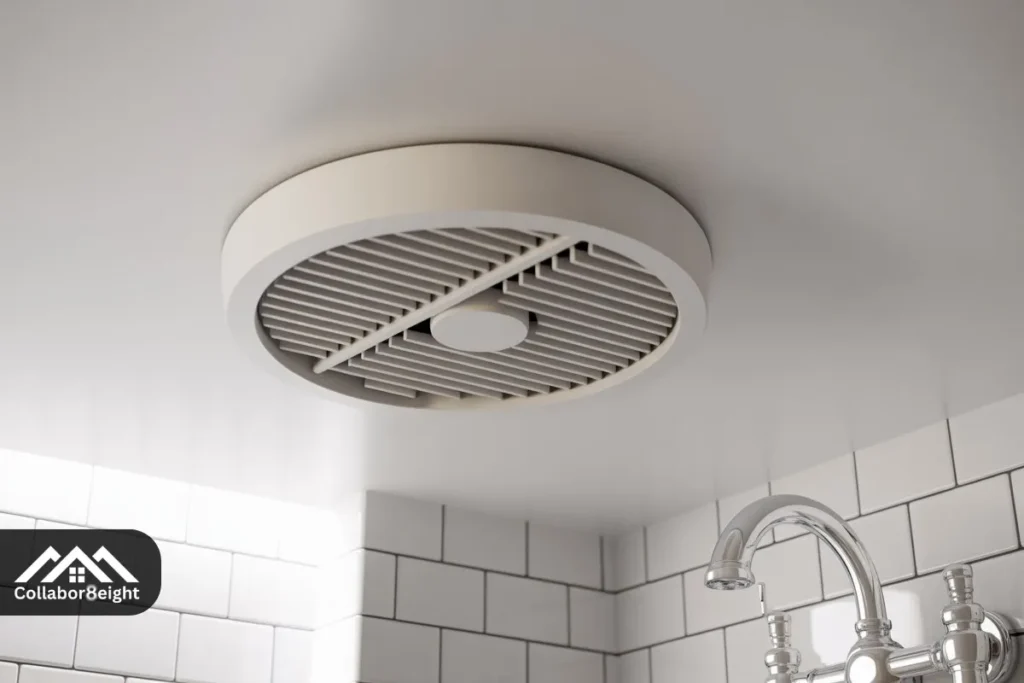
Smart usage tips
- Run the fan during showers and for at least 20 minutes after
- Clean the fan cover every few months to remove dust
- Check the exterior vent annually for blockages
Consider energy-efficient features
Modern fans may include timers, humidity sensors, or ENERGY STAR certification. These features help control moisture automatically and reduce energy waste.
Common Mistakes to Avoid
Many homeowners unknowingly reduce the effectiveness of their bathroom exhaust fan.
Mistakes to watch out for
- Choosing a fan that is too small
- Ignoring noise ratings
- Venting into an attic or crawl space
- Skipping regular cleaning
Avoiding these issues helps your fan last longer and perform better.
Final Thoughts: A Small Upgrade With Long-Term Benefits
A well-chosen bathroom exhaust fan is one of the simplest ways to protect your bathroom and improve daily comfort. From reducing moisture damage to keeping the air fresh, the benefits add up quickly. Whether you are upgrading to a bathroom exhaust fan with light or planning a full replacement, the right choice makes your home healthier and more enjoyable.
If your bathroom shows signs of poor ventilation, now is a great time to explore your options. A small investment today can save you from costly repairs later and make your bathroom a more pleasant space to use every day.
FAQs
What does a bathroom exhaust fan do?
A bathroom exhaust fan removes moist air, odors, and humidity from the bathroom and vents it outside, helping prevent mold and damage.
Do I really need a bathroom exhaust fan if I have a window?
Yes. A window helps, but it does not provide consistent ventilation year-round, especially in cold or humid US climates.
How do I choose the right size bathroom exhaust fan?
Choose a fan based on bathroom size. Most bathrooms need at least 1 CFM per square foot of space for effective ventilation.
Is a bathroom exhaust fan with light a good option?
Yes. A bathroom exhaust fan with light saves space and works well in small bathrooms or areas with limited lighting.
Can I replace a bathroom exhaust fan myself?
Simple replacements can be DIY-friendly, but bathroom exhaust fan installation involving new wiring or ductwork is best handled by a professional.