Upgrading your bathroom can feel overwhelming, especially when it comes to choosing the right bathroom sink. With so many styles, materials, and sizes available, finding a sink that fits your space, matches your decor, and meets your daily needs can be tricky. Whether you’re renovating a small powder room or redesigning a master bathroom, selecting the right bathroom sink is a key step toward creating a functional and stylish space.
In this guide, we’ll break down everything you need to know about choosing the perfect bathroom sink, from types and materials to faucets and installation tips. Plus, we’ll share practical DIY ideas to help you make your bathroom both beautiful and functional.
Types of Bathroom Sinks
Bathroom sinks come in many shapes and sizes, and understanding the different options will help you choose the best fit for your space.
1. Drop-In or Self-Rimming Sinks
These sinks are the most common type in the U.S. They sit into a pre-cut hole in your countertop, with a rim that rests on the surface. Drop-in sinks are easy to install and replace, making them ideal for DIY enthusiasts.
Pros: Affordable, easy to install, versatile
Cons: Rim can make cleaning slightly harder
2. Undermount Sinks
Undermount sinks are installed below the countertop, creating a seamless look that makes cleaning easier. They are popular in modern and contemporary bathrooms.
Pros: Sleek appearance, easy to clean, ideal for stone countertops
Cons: Usually more expensive, installation is professional-grade
3. Vessel Sinks
Vessel sinks sit on top of the counter like a bowl. They can become a centerpiece in your bathroom, offering unique styles and designs.
Pros: Eye-catching, stylish, adds height
Cons: Can splash more, requires a taller faucet
4. Wall-Mounted Sinks
Wall-mounted sinks are attached directly to the wall, freeing up floor space. They’re perfect for small bathrooms or powder rooms.
Pros: Space-saving, modern look, easy floor cleaning
Cons: Requires sturdy wall support, less storage space underneath
Choosing the Right Material
The material of your bathroom sink affects durability, maintenance, and style. Here are popular options:
- Porcelain: Classic and affordable, easy to clean, resistant to stains.
- Glass: Sleek and modern, but can be fragile and prone to water spots.
- Stone: Marble, granite, or quartz sinks offer elegance, but may require sealing.
- Metal: Stainless steel or copper sinks are durable and stylish but can show scratches or water spots.
- Ceramic: Smooth finish, affordable, and easy to maintain, commonly used in bathrooms across the USA.
Matching Sinks with Bathroom Vanities
When shopping for a bathroom vanity with sink, size and style matter. Here’s how to pair them effectively:
- Measure Your Space: Ensure the vanity fits comfortably without overcrowding the room. Leave at least 20 inches of clearance in front of the sink for usability.
- Consider Storage Needs: Vanities with cabinets or drawers provide extra storage for toiletries, towels, and cleaning supplies.
- Coordinate Styles: Match the sink and vanity style—modern vessel sinks pair well with sleek vanities, while traditional drop-in sinks work with classic wood designs.
- Top Material Matters: Granite, quartz, and marble countertops not only look great but also resist stains and water damage.
Selecting Bathroom Sink Faucets
A bathroom sink faucet completes the look and functionality of your sink. Here are tips for choosing the right faucet:
- Match the Faucet to the Sink Type: Vessel sinks need taller faucets, while drop-in and undermount sinks usually work with standard faucets.
- Check for Holes: Count the number of pre-drilled holes in your sink or vanity top. Some sinks come with a single hole, while others can accommodate 3-hole faucets.
- Choose the Finish: Chrome, brushed nickel, matte black, or oil-rubbed bronze—choose a finish that complements your bathroom fixtures.
- Consider Water Flow: Look for faucets with adjustable flow or aerators to conserve water while maintaining efficiency.
Installation Tips for DIY Enthusiasts
Installing a bathroom sink may seem daunting, but with the right tools and preparation, it’s manageable. Here’s a basic DIY guide:
- Turn Off Water Supply: Shut off the valves under the sink.
- Remove Old Sink: Disconnect plumbing and carefully lift out the old sink.
- Prepare the Area: Clean the countertop and check for any damage or mold.
- Install the New Sink: Follow manufacturer instructions for drop-in, undermount, or vessel sinks. Use silicone sealant for a watertight fit.
- Connect Plumbing: Reattach the faucet, drain, and water lines. Test for leaks.
- Final Touches: Seal edges if needed, and clean the surface.
Bathroom Sink Maintenance
Proper maintenance keeps your sink looking new and prevents damage:
- Clean regularly with mild soap or non-abrasive cleaners.
- Avoid harsh chemicals that can damage finishes.
- Wipe water spots to prevent staining, especially on stone or metal sinks.
- Check plumbing connections periodically to avoid leaks.
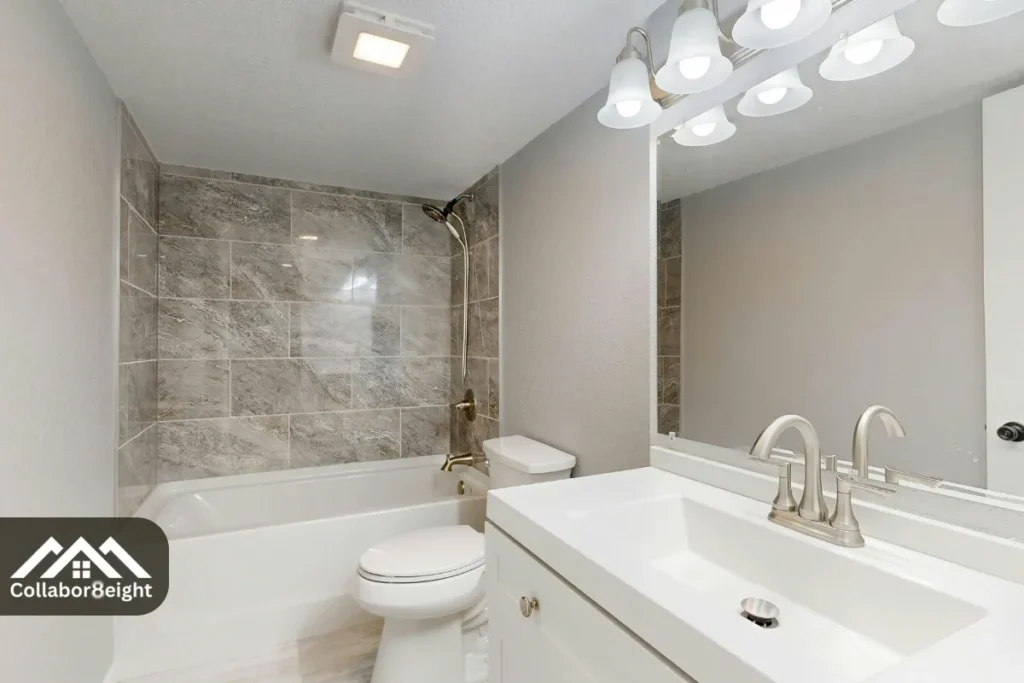
DIY Ideas to Enhance Your Sink Area
- Add a backsplash: Use tiles, stone, or peel-and-stick designs to protect the wall and add style.
- Upgrade hardware: Swap old knobs and pulls on your vanity to match your faucet.
- Decorate: Add a small plant, candle, or decorative tray to keep the area inviting.
- Lighting: Install LED strips or sconces to brighten your sink area and create ambiance.
Final Thought
Choosing the right bathroom sink involves balancing style, functionality, and space. Whether you prefer a classic drop-in, a sleek undermount, or a dramatic vessel sink, matching it with the right bathroom vanity with sink and bathroom sink faucets can transform your bathroom into a stylish and functional space. With the tips and DIY suggestions above, you can confidently select and install a sink that elevates your home’s decor. Start planning your bathroom upgrade today, and enjoy a space that’s both beautiful and practical.
FAQs
1. What types of bathroom sinks are best for small bathrooms?
Wall-mounted and compact drop-in sinks save space while maintaining style and functionality.
2. How do I choose the right bathroom sink faucet?
Match the faucet height and style to your sink type, check pre-drilled holes, and select a finish that complements your bathroom.
3. Can I install a bathroom sink myself?
Yes, with basic tools and careful steps like turning off water, sealing edges, and connecting plumbing, many DIYers can install drop-in or vessel sinks.
4. What materials are most durable for bathroom sinks?
Porcelain, ceramic, stone, and metal are popular choices in the U.S., balancing durability, maintenance, and style.
5. How do I maintain my bathroom sink?
Clean regularly with mild soap, wipe water spots, avoid harsh chemicals, and check plumbing connections to prevent leaks.