A window seal might seem like a small detail, but in 2026 it plays a massive role in home energy efficiency, comfort, and long-term property value. Whether you’re dealing with foggy windows, rising energy bills, or planning a renovation, understanding how window seals work—and when to repair or replace them—can save you thousands of dollars over time.
This in-depth guide is designed for U.S. homeowners, contractors, and property investors who want accurate, up-to-date, and practical information about window seal technology in 2026.
We’ll cover everything from types of window seals, repair vs replacement decisions, costs, energy efficiency, and modern materials, to common mistakes and expert tips you won’t find in generic articles.
What Is a Window Seal and Why It Matters in 2026
A window seal is the airtight barrier that holds a window unit together and prevents outside air, moisture, and dust from entering your home. In double-pane and triple-pane windows, the seal also traps insulating gas (like argon or krypton) between the panes.
In 2026, window seals are more important than ever because:
- Energy efficiency standards are stricter in the U.S.
- Utility costs continue to rise
- Homes are expected to meet higher indoor air quality benchmarks
- Buyers prioritize well-sealed, low-maintenance windows
A failed window seal doesn’t just affect visibility—it directly impacts thermal performance, humidity control, and HVAC efficiency.
How Window Seals Work (Simple Explanation)
At its core, a window seal performs three main functions:
- Insulation – Prevents heat transfer
- Moisture protection – Blocks condensation and leaks
- Structural integrity – Holds multi-pane glass units together
Modern window seals typically consist of:
- A primary seal (usually polyisobutylene)
- A secondary seal (silicone, polyurethane, or polysulfide)
- A spacer system between panes
- Desiccant material to absorb moisture
When all components function correctly, your window remains clear, efficient, and durable for years.
Common Signs of a Failed Window Seal
Knowing when a window seal has failed can help you act early and avoid bigger repairs.
Visible Warning Signs
- Foggy or cloudy glass between panes
- Condensation trapped inside the window
- Water droplets that don’t wipe away
- Distorted reflections
Performance Issues
- Drafts near the window
- Uneven indoor temperatures
- Increased energy bills
- Reduced sound insulation
Structural Indicators
- Warped window frames
- Cracked sealant around edges
- Mold or mildew near windowsills
If you notice two or more of these symptoms, your window seal is likely compromised.
Types of Window Seals Used in 2026
Window seal technology has evolved significantly. Here are the most common types used in modern U.S. homes.
1. Silicone Window Seals
Best for extreme temperatures and UV exposure.
Pros:
- Long lifespan (20+ years)
- Flexible in hot and cold climates
- Excellent moisture resistance
Cons:
- Higher upfront cost
- Requires professional installation
2. Polyurethane Seals
Popular in residential applications.
Pros:
- Strong adhesion
- Good insulation performance
- Moderate cost
Cons:
- Less UV-resistant than silicone
- Can degrade faster in humid regions
3. Polysulfide Seals
Common in commercial and high-end residential windows.
Pros:
- Excellent gas retention
- High durability
- Strong moisture barrier
Cons:
- Limited availability
- Professional installation required
4. Thermoplastic Spacer Seals
A newer innovation gaining popularity in 2026.
Pros:
- Reduces thermal bridging
- Improves overall window efficiency
- Compatible with ENERGY STAR windows
Cons:
- Slightly higher manufacturing cost
Window Seal vs Weatherstripping: Know the Difference
Many homeowners confuse window seals with weatherstripping, but they serve different purposes.
| Feature | Window Seal | Weatherstripping |
|---|---|---|
| Location | Between glass panes | Around window frame |
| Purpose | Insulation & moisture control | Draft prevention |
| Repair Difficulty | Moderate to high | Easy DIY |
| Lifespan | 10–25 years | 3–7 years |
Both are important, but a failed window seal has a much larger impact on energy efficiency.
Window Seal Repair vs Replacement in 2026
One of the most common questions homeowners ask is whether a window seal can be repaired or if the entire window must be replaced.
When Window Seal Repair Makes Sense
- The frame is in excellent condition
- The window is less than 10 years old
- Only one or two windows are affected
- You need a budget-friendly short-term fix
When Replacement Is the Better Option
- Multiple windows have failed seals
- Frames are damaged or warped
- Windows are outdated or non-energy-efficient
- You plan to sell or renovate your home
Expert Insight (2026):
Due to rising labor costs and improved window technology, full replacement often provides better long-term ROI than repeated seal repairs.
Cost of Window Seal Repair and Replacement in the USA (2026)
Here’s what U.S. homeowners can expect to pay.
Window Seal Repair Costs
- Single window defogging: $100–$250
- Seal replacement only: $150–$400
- IGU (insulated glass unit) replacement: $200–$600
Window Replacement Costs
- Standard double-pane window: $500–$1,200
- Energy-efficient or triple-pane window: $900–$2,500
- Labor (per window): $150–$400
Costs vary based on window size, location, material, and installer expertise.
Energy Efficiency and Window Seals in 2026
A high-quality window seal directly impacts:
- U-factor ratings
- Solar heat gain coefficient (SHGC)
- Indoor comfort
- HVAC workload
According to updated U.S. energy efficiency benchmarks, homes with compromised window seals can lose 20–30% of heating and cooling energy.
Modern sealed windows help:
- Maintain consistent indoor temperatures
- Reduce carbon footprint
- Qualify for energy rebates and tax credits
- Improve home resale value
Best Window Seal Materials for Different U.S. Climates
Cold Climates (Northeast, Midwest)
- Silicone seals
- Triple-pane windows
- Argon or krypton gas fills
Hot & Sunny Climates (Southwest)
- UV-resistant silicone
- Low-E coated glass
- Thermoplastic spacers
Humid Regions (Southeast)
- Polysulfide seals
- Mold-resistant frames
- Enhanced moisture barriers
Choosing climate-appropriate window seals extends lifespan and improves performance.
DIY Window Seal Fixes: What Works and What Doesn’t
Some homeowners attempt DIY fixes, but not all solutions are effective.
What Can Work (Short-Term)
- Re-caulking exterior gaps
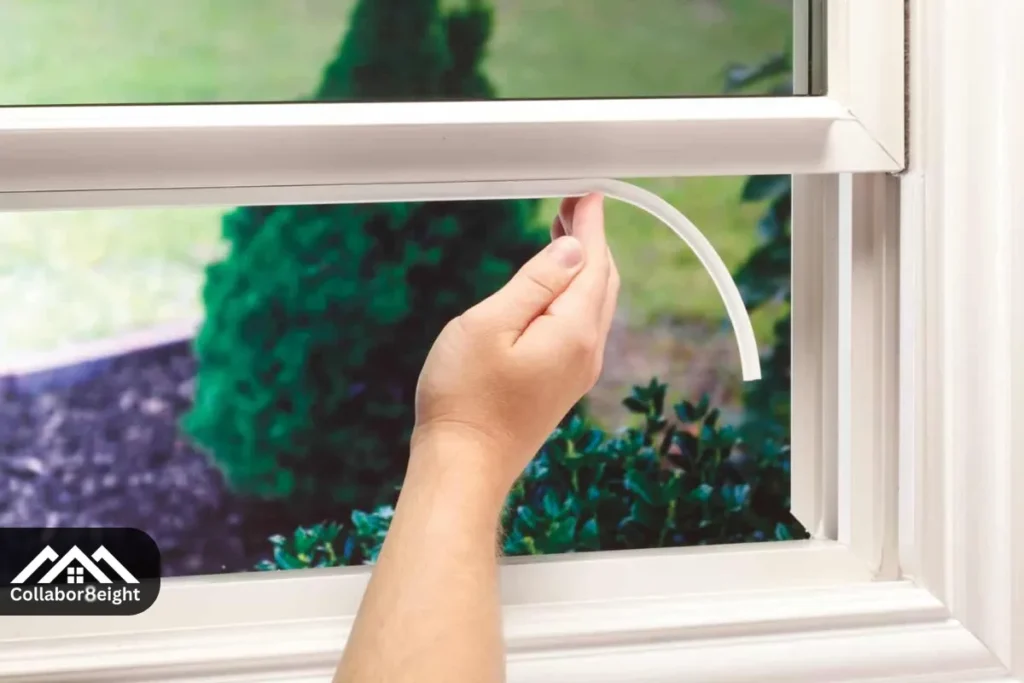
- Replacing weatherstripping
- Using defogging services
What Doesn’t Work
- Drilling holes to remove condensation
- Applying household sealants between panes
- Ignoring moisture damage
DIY methods rarely restore the insulating gas or original seal integrity.
How Long Does a Window Seal Last?
In 2026, the average window seal lifespan is:
- Budget windows: 8–12 years
- Mid-range windows: 12–18 years
- Premium windows: 20–25 years
Proper installation, climate, and maintenance play major roles in longevity.
How to Prevent Window Seal Failure
Preventive steps can significantly extend seal life.
- Clean windows regularly
- Avoid high-pressure washing
- Maintain indoor humidity levels
- Inspect seals annually
- Address frame damage early
Small habits make a big difference over time.
Window Seal Trends and Innovations in 2026
The window industry continues to evolve.
Key Trends
- Smart glass with enhanced sealing systems
- Improved gas retention technologies
- Sustainable, low-VOC seal materials
- Better spacer designs for thermal performance
These innovations improve durability while meeting stricter environmental standards.
Choosing the Right Professional for Window Seal Work
Look for contractors who:
- Are licensed and insured in your state
- Specialize in window systems
- Offer warranties on seal work
- Understand modern energy codes
- Provide transparent pricing
Always request written estimates and warranty details.
Final Thoughts
A properly functioning window seal is essential for comfort, efficiency, and long-term savings. As energy standards rise and materials improve, addressing window seal issues sooner rather than later is one of the smartest home investments you can make.
Whether you choose repair or replacement, understanding your options empowers you to make informed decisions that benefit your home and your wallet.
FAQs
1. What causes a window seal to fail?
Window seal failure is usually caused by age, temperature fluctuations, moisture exposure, improper installation, or frame movement.
2. Can a window seal be repaired without replacing the window?
Yes, in some cases. Minor seal failures can be repaired, but full replacement is often more cost-effective long term.
3. How do I know if my window seal is broken?
Foggy glass between panes, trapped condensation, drafts, and rising energy bills are common indicators.
4. Are window seal repairs worth it in 2026?
For newer windows in good condition, repairs can be worthwhile. Older or inefficient windows usually benefit more from replacement.
5. How much does window seal replacement cost in the USA?
In 2026, costs typically range from $150 to $600 per window, depending on size, type, and labor.